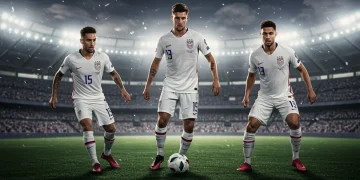
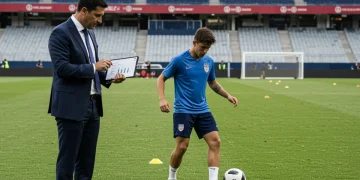
Mastering the Modern Game: US Goalkeepers’ 2025 Training Regimens
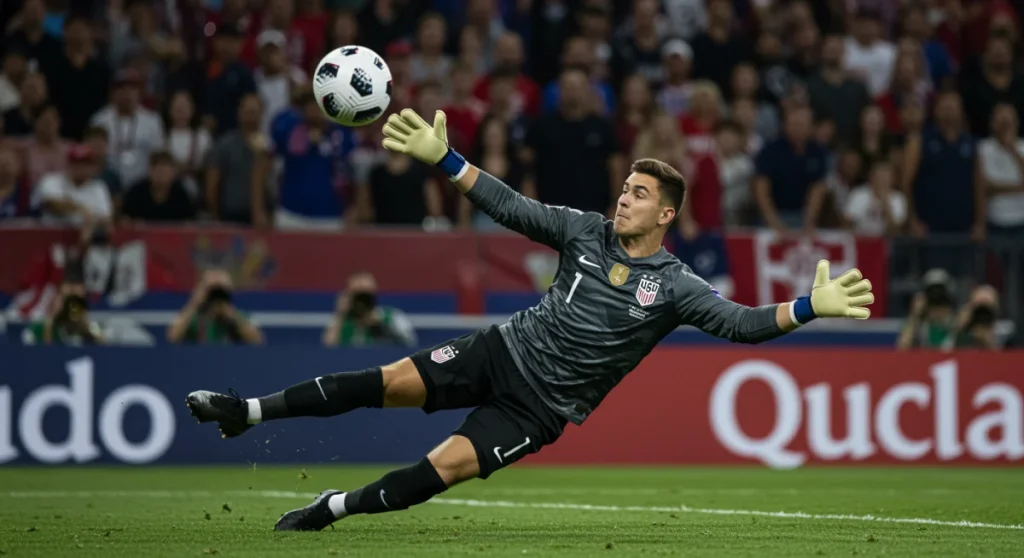
The modern game demands elite goalkeeping, and understanding the core principles behind US goalkeepers training regimens offers invaluable insights into achieving peak performance in 2025.
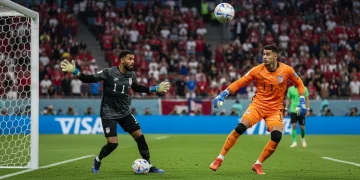
The role of a goalkeeper in modern soccer has evolved dramatically, transcending mere shot-stopping to encompass vital aspects of team play, distribution, and tactical awareness. In 2025, the demands on US goalkeepers are higher than ever, requiring meticulously crafted training regimens that push the boundaries of physical, technical, and mental preparation. This article delves into the practical solutions and innovative approaches employed by three leading US goalkeepers, offering a comprehensive look at how they are mastering the modern game.
The Evolution of Modern Goalkeeping: Beyond the Goal Line
Modern goalkeeping is no longer confined to the six-yard box. Today’s goalkeepers are the first attackers, the last defenders, and often the primary orchestrators of play from the back. This paradigm shift necessitates a holistic training approach, integrating not just traditional goalkeeping skills but also outfield player attributes like precise passing, tactical reading, and effective communication. The game’s relentless pace and strategic complexity mean that goalkeepers must be as comfortable with the ball at their feet as they are with making a crucial save.
The emphasis on building play from the back has transformed training drills to include extensive work on short and long-range distribution, under pressure. Goalkeepers are now expected to initiate attacks, break lines with accurate passes, and act as a reliable outlet for defenders. This requires an acute understanding of spatial awareness and decision-making, often under intense pressure from opposing forwards.
Technical Mastery: The Foundation of Modern Play
Technical proficiency remains paramount, but its scope has broadened considerably. Modern training focuses on:
- Advanced Shot-Stopping Techniques: Incorporating reactive saves, dealing with deflections, and mastering various diving techniques from different angles.
- Cross and High Ball Command: Developing assertive decision-making and flawless execution in aerial duels, often involving intricate footwork and body positioning.
- Footwork and Agility: Enhancing quick lateral movements, explosive power, and seamless transitions from static to dynamic actions.
These technical aspects are no longer trained in isolation but are integrated into game-like scenarios, ensuring that goalkeepers can perform under the real-time pressures of a match. The goal is to build muscle memory that responds instinctively and effectively, regardless of the situation.
In conclusion, the modern goalkeeper is a multi-faceted athlete whose training must reflect the diverse demands of the contemporary game. It’s a continuous process of evolution, pushing the boundaries of what’s expected from the player between the posts.
Regimen 1: The Tactical Innovator – Sean Johnson’s Integrated Approach
Sean Johnson, a veteran US goalkeeper, exemplifies the tactical innovator, integrating his deep understanding of the game into every aspect of his training. His regimen for 2025 focuses heavily on tactical periodization, where each training session is designed to simulate match conditions and address specific tactical challenges. This approach ensures that physical and technical development are always aligned with the strategic demands of his team.
Johnson’s training isn’t just about drills; it’s about understanding the ‘why’ behind every action. He spends significant time analyzing opponents, dissecting their attacking patterns, and predicting potential threats. This intellectual engagement allows him to anticipate play more effectively, positioning himself optimally and making split-second decisions that often dictate the flow of the game. His coaches emphasize tactical awareness through video analysis and scenario-based training.
Conditioning for Explosive Power and Endurance
While tactical, Johnson’s physical conditioning is equally rigorous, tailored to the unique demands of goalkeeping. His program includes:
- Plyometrics: To enhance explosive power for diving saves and quick reactions.
- Agility Drills: Focusing on rapid changes in direction and acceleration over short distances.
- Core Strength: Essential for stability, balance, and powerful distribution.
These physical components are often integrated into tactical drills, for instance, a sequence might involve a rapid lateral movement, a diving save, and then an immediate distribution under pressure. This holistic training ensures that his body is always ready to execute the tactical decisions his mind makes.
Beyond the physical, Johnson’s mental preparation is key. Visualization exercises and mindfulness techniques help him maintain focus, manage pressure, and quickly recover from mistakes. He understands that the mental game is just as crucial as the physical, especially in high-stakes matches. His integrated approach sets a high standard for modern goalkeeping.
In summary, Sean Johnson’s training regimen is a masterclass in tactical integration, demonstrating how a goalkeeper can become a true extension of the team’s strategic vision.
Regimen 2: The Athletic Dynamo – Matt Turner’s High-Intensity Training
Matt Turner, known for his incredible athleticism and shot-stopping prowess, adopts a high-intensity training regimen that maximizes his physical capabilities. His program for 2025 is built around pushing his limits in terms of speed, power, and reaction time, ensuring he remains one of the most agile and explosive goalkeepers in the US pool. Turner’s philosophy centers on being able to make the impossible save, and his training reflects that ambition.
His sessions are characterized by short, sharp bursts of activity, mirroring the unpredictable nature of game situations. This involves a heavy emphasis on reaction drills, where he must respond to unexpected shots or deflections with lightning speed. The intensity is constant, designed to build both physical and mental resilience under duress.
Prioritizing Reaction Time and Agility
Turner’s conditioning program is meticulously designed to optimize his athletic attributes. Key elements include:
- Neuromuscular Training: Enhancing the connection between his brain and muscles for faster responses.
- Variable Shot Drills: Facing shots from different angles, velocities, and distances to improve adaptability.
- Explosive Strength Training: Incorporating Olympic lifts and powerful jumps to boost his diving reach and spring.
These exercises are not just about raw power; they are about controlled, efficient movement that allows him to cover more ground and react quicker. His coaches often use technology, such as speed gates and reaction lights, to track his progress and ensure continuous improvement.
Turner also integrates regular recovery protocols, recognizing that high-intensity training requires equally intense recovery. This includes cryotherapy, sports massage, and targeted stretching to prevent injuries and maintain peak physical condition. His dedication to both training and recovery allows him to consistently perform at an elite level.
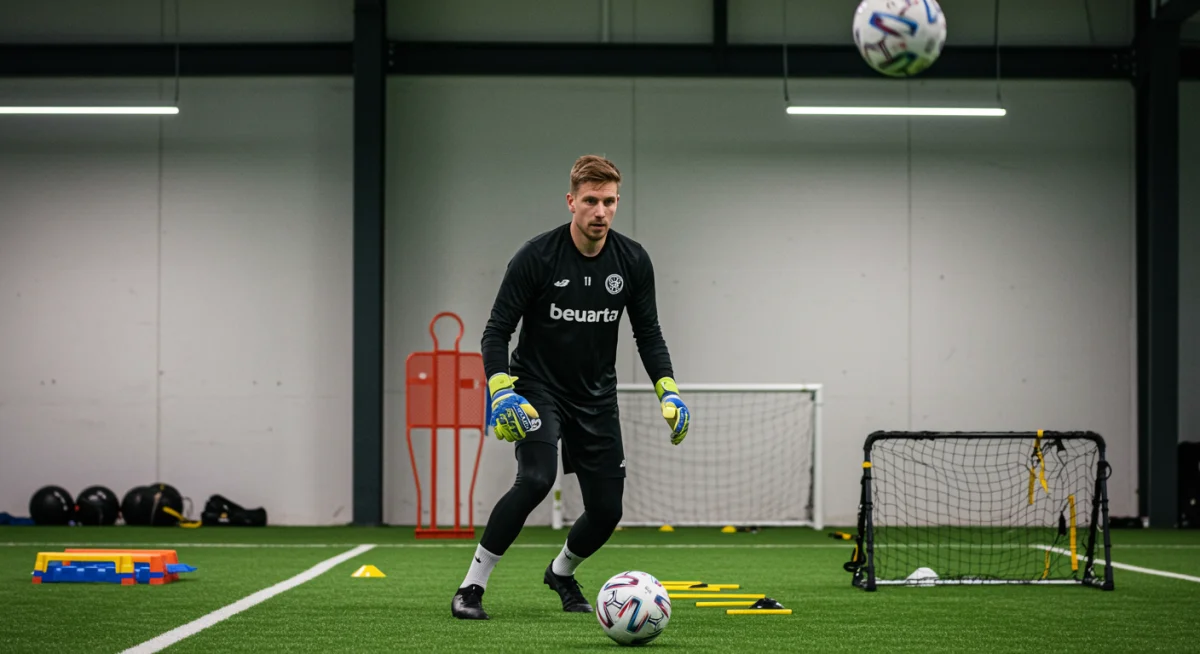
In conclusion, Matt Turner’s regimen is a testament to the power of athletic development in modern goalkeeping, showcasing how raw physical talent can be honed into an unstoppable force.
Regimen 3: The Ball-Playing Goalkeeper – Gabriel Slonina’s Distribution Focus
Gabriel Slonina, representing the new generation of US goalkeepers, epitomizes the ball-playing custodian. His training regimen for 2025 places a significant emphasis on his ability to distribute the ball accurately and effectively, acting as a deep-lying playmaker. Slonina’s development focuses on turning him into a true eleventh outfield player, comfortable under pressure and adept at initiating attacks with his feet.
His sessions often begin with extensive footwork drills, not just for shot-stopping but for receiving and passing the ball in tight spaces. This includes exercises with small-sided games where he participates as an outfield player, enhancing his touch, vision, and decision-making under high-pressure scenarios. The goal is to make ball-playing an instinct, not just a skill.
Mastering Distribution and Game Management
Slonina’s specific training for distribution includes:
- Precision Passing Drills: Practicing short, medium, and long-range passes to various targets, often under time constraints.
- Decision-Making Scenarios: Simulating game situations where he must choose between different passing options or carrying the ball.
- Pressure Training: Performing distribution drills with opposing players actively pressing, forcing quick and accurate execution.
His coaches use advanced analytics to track his passing accuracy, decision-making speed, and effectiveness in breaking opposition lines. This data-driven approach allows for precise adjustments to his training, ensuring continuous improvement in his distribution capabilities.
Slonina also works extensively on his communication skills, learning to direct his defenders and midfielders to create passing lanes. His voice is a crucial tool in managing the game and ensuring smooth transitions from defense to attack. This holistic development ensures he’s not just a passer, but a conductor of play.
In summary, Gabriel Slonina’s regimen highlights the growing importance of the ball-playing goalkeeper, demonstrating how a strong foundation in distribution can elevate a team’s overall strategic play.
Common Threads: Mental Fortitude and Data-Driven Training
While each goalkeeper’s regimen has unique characteristics, several common threads run through the training of top US goalkeepers in 2025. Mental fortitude is universally recognized as critical. The ability to stay calm under pressure, recover from mistakes, and maintain focus for 90-plus minutes is often what separates good goalkeepers from great ones. Mental performance coaches and sports psychologists are increasingly integrated into their support teams, providing tools and strategies for resilience, concentration, and emotional regulation.
Another unifying element is the pervasive use of data and technology. Performance analytics play a crucial role in tailoring training programs, identifying areas for improvement, and tracking progress. GPS trackers, heart rate monitors, and video analysis systems provide invaluable insights into physical exertion, technical execution, and tactical adherence. This data-driven approach allows coaches to optimize training loads, prevent injuries, and fine-tune specific skills with unprecedented precision.
The Role of Nutrition and Recovery
Beyond the field, nutrition and recovery are given paramount importance. Elite goalkeepers adhere to strict dietary plans, tailored to their individual metabolic needs and training demands. Hydration, macronutrient intake, and supplementation are carefully managed to fuel performance and accelerate recovery. Similarly, comprehensive recovery protocols, including:
- Sleep Optimization: Ensuring adequate, high-quality sleep for physical and cognitive restoration.
- Active Recovery: Light exercises, stretching, and foam rolling to improve circulation and reduce muscle soreness.
- Hydrotherapy: Using ice baths and contrast showers to aid muscle recovery and reduce inflammation.
These elements are not mere afterthoughts but integral components of a professional athlete’s lifestyle, ensuring their bodies can withstand the rigors of elite competition and training.
In conclusion, the success of these goalkeepers is not just about what happens on the pitch, but also the meticulous attention paid to their mental, nutritional, and recovery strategies, all underpinned by data-driven insights.
Future Trends in US Goalkeeping Training for 2025 and Beyond
Looking ahead to 2025 and beyond, several innovative trends are set to further shape US goalkeeping training. Virtual reality (VR) and augmented reality (AR) are emerging as powerful tools for simulation training. These technologies can recreate match scenarios, allowing goalkeepers to practice decision-making, spatial awareness, and reaction times in a controlled, yet highly immersive, environment. Imagine practicing against a penalty shootout from a specific opponent without ever stepping onto a real pitch.
Personalized training programs will become even more sophisticated, moving beyond general principles to highly individualized plans based on genetic predispositions, biomechanical analysis, and real-time performance data. Wearable tech will evolve to provide even more granular data, giving coaches and athletes unprecedented insights into their bodies’ responses to training and competition. This level of personalization aims to unlock each goalkeeper’s full potential while minimizing injury risks.
Integrating AI and Machine Learning
Artificial intelligence (AI) and machine learning (ML) are poised to revolutionize how training data is analyzed and utilized. AI algorithms can identify subtle patterns in performance, predict injury risks, and even suggest optimal training adjustments based on vast datasets. This will enable coaches to make more informed decisions, leading to more efficient and effective training regimens.
- Predictive Analytics: Forecasting player performance and potential injury based on historical data.
- Automated Feedback: Providing instant, objective feedback on technical execution during drills.
- Opponent Simulation: AI-powered models of opposing teams to prepare goalkeepers for specific tactical challenges.
These technological advancements will not replace human coaching but will augment it, providing coaches with powerful tools to enhance their expertise and tailor development pathways. The future of US goalkeeping promises to be an exciting blend of human athleticism and cutting-edge technology.
In conclusion, the landscape of US goalkeeping training is dynamic and forward-thinking, continuously embracing new technologies and methodologies to produce world-class talent ready for the global stage.
Practical Solutions for Aspiring Goalkeepers
For aspiring goalkeepers looking to emulate the success of their elite counterparts, incorporating practical solutions into their own training is crucial. While access to professional facilities and coaching might be limited, the core principles of dedication, smart work, and continuous learning remain universally applicable. Start by focusing on the fundamentals: consistent practice of basic handling, footwork, and diving techniques. Repetition builds muscle memory, which is the foundation of all advanced skills.
Beyond the basics, observe and analyze professional matches with a goalkeeper’s eye. Pay attention to how elite goalkeepers position themselves, communicate with their defense, and distribute the ball. Video analysis of your own performance, even with a smartphone, can provide invaluable insights for self-correction. Identify your strengths and weaknesses, and then tailor your personal drills to address those areas specifically.
Implementing a Structured Training Routine
A structured routine, even if self-directed, can significantly accelerate development. Consider these practical steps:
- Set Clear Goals: Define what you want to achieve each week or month, whether it’s improving distribution accuracy or enhancing reaction time.
- Vary Your Drills: Don’t just do the same exercises. Mix in different types of shots, crosses, and distribution scenarios to challenge yourself.
- Focus on Physical Conditioning: Incorporate bodyweight exercises, short sprints, and agility drills to build a strong athletic base.
Mental preparation is equally important. Practice visualization techniques before training or games, imagining successful saves and precise distributions. Learn to manage pressure by focusing on the present moment and celebrating small victories. Seek feedback from coaches, teammates, or even experienced players to gain different perspectives on your game.
Finally, prioritize recovery. Ensure you get enough sleep, eat a balanced diet, and listen to your body to prevent overtraining and injuries. Consistency and a smart approach to training, even with limited resources, can lead to significant progress and help you master your craft.
In conclusion, aspiring goalkeepers can achieve remarkable progress by adopting a disciplined, analytical, and holistic approach to their training, mirroring the dedication of their professional heroes.
| Key Aspect | Description for 2025 Goalkeeping |
|---|---|
| Tactical Integration | Goalkeepers actively participate in team strategy, understanding opponent analysis and game flow. |
| Athletic Peak | High-intensity training for explosive power, agility, and rapid reaction times. |
| Distribution Mastery | Precision passing, decision-making under pressure, and acting as a deep-lying playmaker. |
| Mental Resilience | Focus on psychological conditioning, stress management, and quick recovery from errors. |
Frequently Asked Questions About Goalkeeper Training
The most crucial aspect is the holistic integration of technical, physical, mental, and tactical elements. Modern goalkeepers must be adept shot-stoppers, precise distributors, tactical thinkers, and mentally resilient to meet the diverse demands of the contemporary game.
Technology, including VR/AR, AI, and advanced analytics, has revolutionized training by offering immersive simulations, personalized programs, and data-driven insights. It helps track performance, identify weaknesses, and optimize training loads for peak efficiency and injury prevention.
Ball distribution is crucial because modern tactics often require goalkeepers to initiate attacks and act as an additional outfield player. Accurate passing and decision-making from the back are vital for building play, breaking opposition lines, and maintaining possession under pressure.
Mental preparation is fundamental for managing pressure, maintaining focus, and recovering from errors. Techniques like visualization, mindfulness, and sports psychology support goalkeepers in sustaining high-level performance throughout demanding matches and training sessions.
Absolutely. Aspiring goalkeepers can focus on fundamentals, analyze professional play, implement structured routines with varied drills, prioritize physical conditioning, and practice mental resilience. Consistent effort, smart work, and self-analysis are key to their development.
Conclusion
The journey to mastering the modern game for US goalkeepers in 2025 is a multifaceted endeavor, blending traditional skills with cutting-edge methodologies. The regimens of Sean Johnson, Matt Turner, and Gabriel Slonina highlight the diverse yet interconnected paths to peak performance, emphasizing tactical intelligence, athletic prowess, and exceptional distribution. Beyond the physical and technical, mental fortitude, data-driven insights, and meticulous recovery protocols form the bedrock of their success. As the game continues to evolve, so too will the demands on these guardians of the goal, ensuring that innovation and dedication remain at the heart of US goalkeeping excellence.