Academic Support in College Football: Student-Athlete Success 2025
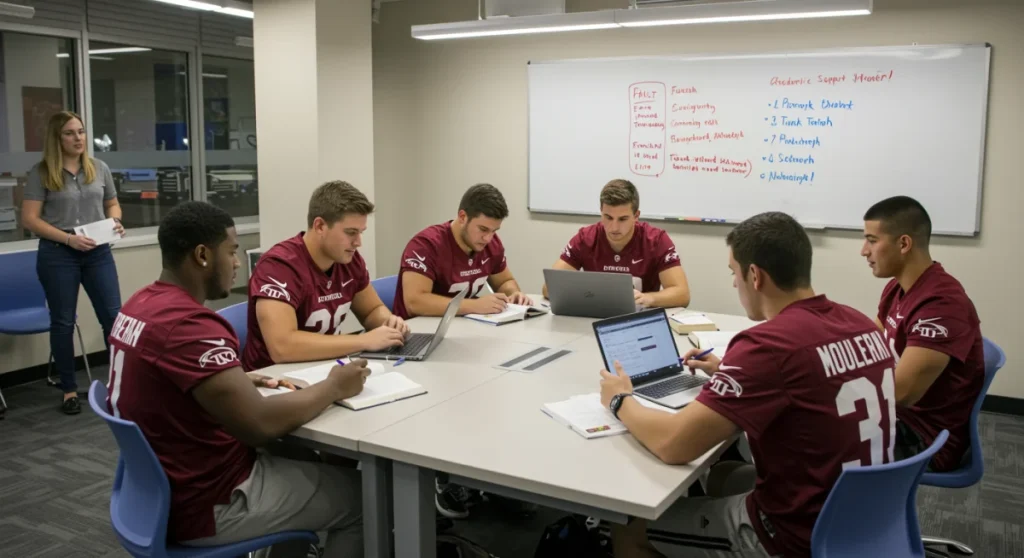
The role of academic support in college football is to provide comprehensive resources that enable student-athletes to excel academically, navigate rigorous schedules, and prepare for post-athletic careers, directly impacting their overall success and well-being.
In the dynamic world of collegiate athletics, the phrase The Role of Academic Support in College Football: Ensuring Student-Athlete Success On and Off the Field in 2025 has never been more pertinent. As college football continues to evolve, the emphasis on holistic student-athlete development is paramount. This article delves into how robust academic support systems are becoming the bedrock for these young individuals, enabling them to navigate the demanding dual paths of athletic excellence and scholastic achievement.
The Evolving Landscape of Student-Athlete Expectations
The lives of college football players are incredibly complex, balancing intense training schedules, travel, media obligations, and the fundamental requirements of their academic programs. The expectation is not just to perform at an elite level on the field but also to maintain satisfactory academic standing, progress towards a degree, and prepare for a future beyond sports. This dual demand necessitates a sophisticated and proactive approach to academic support.
Universities are increasingly recognizing that investing in comprehensive academic support is not merely a compliance measure but a strategic advantage. It helps attract top talent, retains student-athletes, and ultimately fosters well-rounded individuals who can contribute meaningfully to society long after their playing days are over. The landscape in 2025 sees an even greater integration of technology and personalized learning plans.
Navigating the NCAA Academic Standards
The National Collegiate Athletic Association (NCAA) sets stringent academic eligibility requirements that student-athletes must meet to compete. These standards include specific GPA requirements, credit hour accumulation, and progress toward degree completion. Academic support staff play a critical role in helping student-athletes understand and adhere to these complex rules.
- Monitoring academic progress regularly.
- Ensuring compliance with NCAA eligibility rules.
- Providing guidance on course selection.
- Facilitating communication between student-athletes, coaches, and faculty.
Without dedicated academic support, many student-athletes would struggle to meet these benchmarks, potentially jeopardizing their eligibility and future educational opportunities. The proactive intervention of academic advisors is key to preventing academic pitfalls and ensuring a smooth progression through their collegiate careers.
Core Components of Effective Academic Support Programs
Effective academic support programs are multifaceted, offering a wide array of services tailored to the unique needs of student-athletes. These programs are designed to address various academic challenges, from time management to specific learning disabilities, ensuring that every individual has the opportunity to thrive academically.
The most successful programs integrate academic assistance directly into the athletic department’s infrastructure, fostering a culture where academic achievement is as highly valued as athletic prowess. This integration helps normalize the use of support services and reduces any stigma associated with seeking help.
Personalized Academic Advising and Mentoring
One of the cornerstones of strong academic support is personalized advising. Each student-athlete is typically assigned an academic advisor who works closely with them throughout their college journey. These advisors act as mentors, guiding them through course registration, major selection, and career planning.
- Developing individualized academic plans.
- Connecting students with campus resources.
- Providing career counseling and post-graduation planning.
- Serving as a consistent point of contact and advocacy.
This individualized attention helps student-athletes feel supported and understood, allowing them to make informed decisions about their academic and professional futures. The mentor-mentee relationship often extends beyond academic matters, addressing personal challenges that might impact their studies.
The Impact of Academic Support on Athletic Performance
While often viewed as separate entities, academic success and athletic performance are deeply interconnected. A student-athlete who is excelling in the classroom is often more confident, disciplined, and focused, qualities that directly translate to improved performance on the field. Conversely, academic struggles can lead to stress, distraction, and even ineligibility, negatively impacting athletic contributions.
Academic support helps alleviate the mental burden associated with academic pressures, allowing student-athletes to dedicate their full attention and energy to their sport when needed. This synergy creates a more balanced and productive environment for both academic and athletic endeavors.
Time Management and Organizational Skill Development
College football players operate on incredibly tight schedules, often requiring early morning workouts, classes, team meetings, practices, and study hall sessions. Developing robust time management and organizational skills is crucial for navigating this demanding routine successfully. Academic support programs frequently offer workshops and individual coaching in these areas.
- Creating effective daily and weekly schedules.
- Prioritizing tasks and managing deadlines.
- Utilizing digital tools for organization.
- Developing strategies for balancing travel with coursework.
These skills are not only vital for college success but are also highly transferable to professional careers, regardless of whether they pursue professional athletics or another field. The disciplined approach instilled through these programs serves them well throughout their lives.
Leveraging Technology for Enhanced Academic Support
As we move into 2025, technology plays an increasingly pivotal role in delivering and enhancing academic support services. Digital platforms, learning management systems, and specialized software are transforming how student-athletes access resources, manage their studies, and connect with advisors and tutors.
The integration of technology allows for greater flexibility and accessibility, catering to the unique schedules of student-athletes who often travel or have conflicting commitments. This ensures that support is always available, regardless of location or time constraints.
Online Tutoring and Virtual Study Halls
One significant technological advancement is the widespread adoption of online tutoring and virtual study halls. These resources provide student-athletes with immediate access to academic assistance from anywhere with an internet connection. This is particularly beneficial during road trips or when traditional office hours conflict with practice schedules.
- Access to subject-specific tutors 24/7.
- Collaborative virtual study environments.
- Recorded sessions for review and reinforcement.
- Personalized feedback and progress tracking.
These virtual tools not only bridge geographical gaps but also allow for a more personalized learning experience, adapting to individual learning styles and paces. The convenience and effectiveness of these platforms make them indispensable for modern academic support.
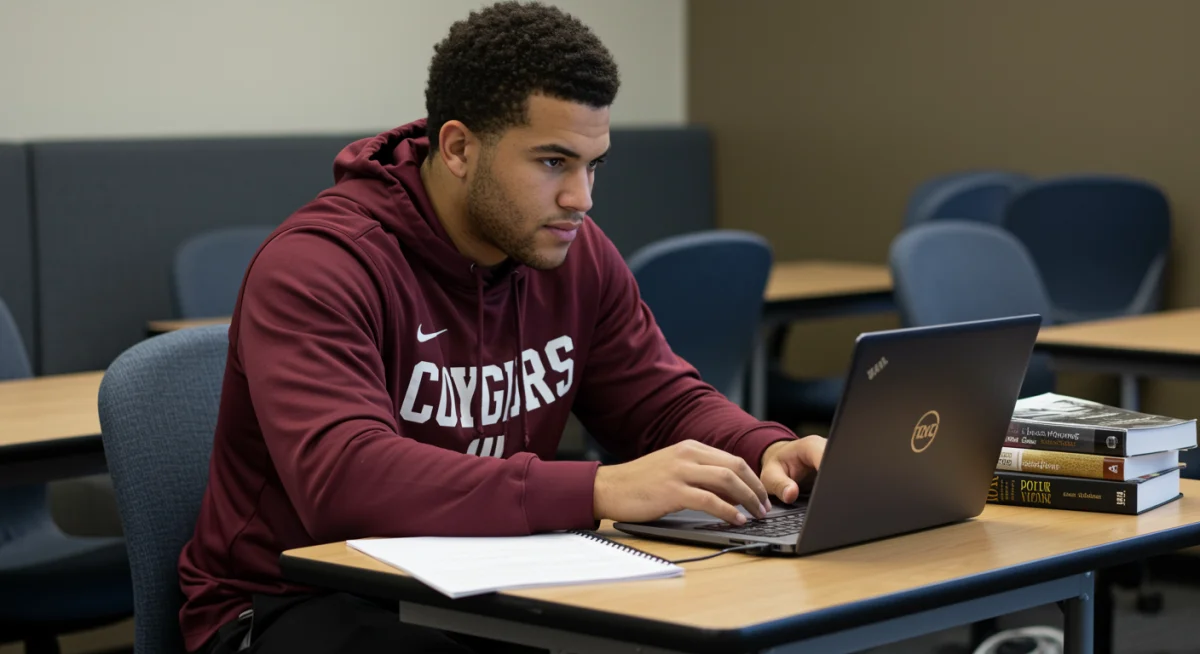
Preparing for Life Beyond the Field: Career and Life Skills Development
While athletic careers can be fulfilling, they are often short-lived. A critical aspect of academic support is preparing student-athletes for successful lives and careers after their time in college football concludes. This involves more than just earning a degree; it includes developing essential life skills and professional competencies.
Academic support programs are increasingly incorporating workshops and resources focused on career development, financial literacy, and personal branding. This forward-thinking approach ensures that student-athletes are not only academically prepared but also equipped with the tools to transition smoothly into their next chapter.
Internships and Networking Opportunities
Connecting student-athletes with internship opportunities and professional networks is a vital component of preparing them for the workforce. These experiences provide practical skills, exposure to various industries, and the chance to build valuable relationships that can open doors to future employment.
- Facilitating connections with alumni and industry leaders.
- Assisting with resume building and interview preparation.
- Organizing career fairs and networking events.
- Providing guidance on personal brand development.
By actively fostering these connections, academic support staff help student-athletes leverage their unique experiences and develop a professional identity that extends far beyond their athletic achievements. This holistic preparation is crucial for long-term success and fulfillment.
Challenges and Future Directions for Academic Support in 2025
Despite significant advancements, academic support programs in college football still face challenges. These can include securing adequate funding, managing ever-increasing student-athlete populations, and adapting to new NCAA regulations. Additionally, the mental health and well-being of student-athletes are gaining more recognition as integral to academic and athletic success, requiring integrated support strategies.
Looking ahead to 2025, the future of academic support will likely involve even greater personalization, leveraging AI and data analytics to identify at-risk students earlier and provide targeted interventions. There will also be a continued emphasis on mental health resources and a more seamless integration of academic, athletic, and wellness support services.
Enhancing Mental Health and Well-being Resources
The pressures faced by college football players can be immense, leading to significant stress, anxiety, and other mental health challenges. Academic support programs are increasingly collaborating with mental health professionals to provide comprehensive support that addresses these critical needs. This holistic approach recognizes that mental well-being is foundational to academic and athletic performance.
- Integrating mental health screenings into routine check-ups.
- Providing access to licensed therapists and counselors.
- Offering workshops on stress management and resilience.
- Creating a supportive environment that destigmatizes seeking help.
By prioritizing mental health alongside academic and athletic development, universities can ensure that student-athletes receive the comprehensive care they need to thrive in all aspects of their lives. This integrated model is crucial for fostering truly successful and resilient individuals.
| Key Aspect | Brief Description |
|---|---|
| NCAA Compliance | Ensuring student-athletes meet academic eligibility requirements for competition. |
| Personalized Advising | Individualized guidance for academic planning, course selection, and career development. |
| Technology Integration | Utilizing online tutoring and virtual study halls for flexible academic assistance. |
| Post-Athletic Preparation | Career development, internships, and life skills training for future success. |
Frequently Asked Questions About Academic Support
Academic support is crucial because it helps college football players balance their demanding athletic schedules with rigorous academic requirements. It ensures they maintain eligibility, progress towards a degree, and develop essential life skills for post-athletic careers, fostering holistic success.
These programs typically offer personalized academic advising, tutoring, study skills workshops, time management coaching, career development services, and mental health resources. They are designed to address the diverse needs of student-athletes and promote overall well-being.
Academic support positively impacts athletic performance by reducing academic stress and distractions, allowing student-athletes to focus more on their sport. A clear mind and strong organizational skills gained through support services often translate to improved discipline and confidence on the field.
Yes, technology is expected to play an even larger role by 2025. This includes advanced online tutoring platforms, virtual study halls, AI-driven personalized learning plans, and data analytics to proactively identify and support student-athletes facing academic challenges.
Academic support programs prepare student-athletes for life after football by focusing on career development, internship placements, networking opportunities, and essential life skills training. This ensures they are well-equipped for successful transitions into professional careers or further education.
Conclusion
The critical role of academic support in college football cannot be overstated. As we look towards 2025, these programs are not just about ensuring eligibility; they are about fostering well-rounded individuals who can achieve excellence in all facets of their lives. By providing comprehensive resources, personalized guidance, and forward-thinking strategies, academic support empowers student-athletes to succeed not only on the gridiron but also in the classroom and beyond. The continued evolution and investment in these programs will undoubtedly shape the future of collegiate athletics, creating a legacy of success that extends far beyond game day.