NIL Collective Strategies in 2025: Maximizing College Football Endorsements
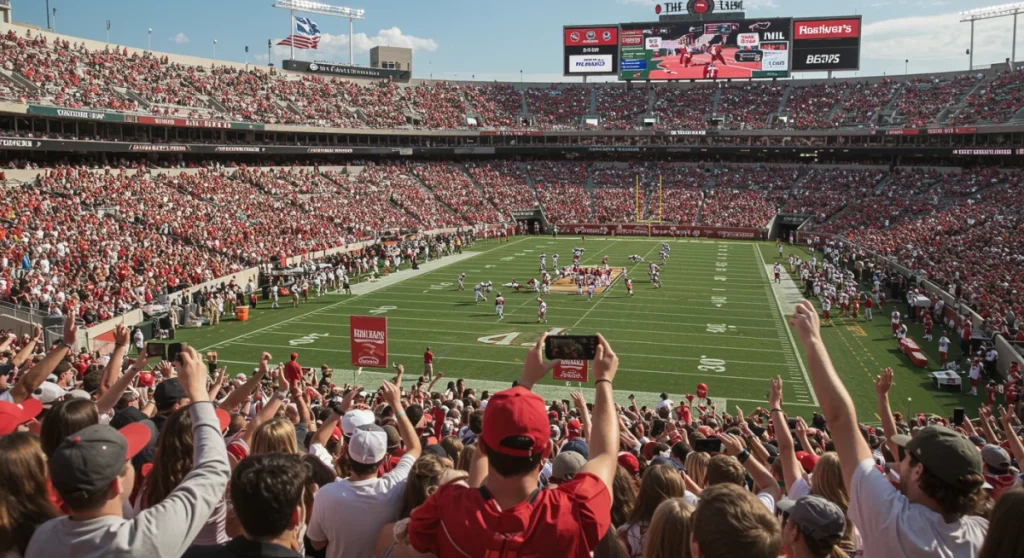
Top college football programs are strategically utilizing NIL Collective Strategies in 2025 to maximize athlete endorsements, thereby enhancing recruitment, retaining talent, and fostering a competitive advantage within the evolving landscape of collegiate athletics.
The landscape of college football has undergone a seismic shift with the advent of Name, Image, and Likeness (NIL) policies. In 2025, understanding and implementing effective NIL Collective Strategies is no longer merely an option but a critical imperative for programs aiming for competitive advantage. This evolution has redefined how universities attract and retain top talent, placing a premium on innovative approaches to athlete endorsement.
The Genesis and Evolution of NIL Collectives
NIL collectives emerged as a direct response to the NCAA’s decision to allow student-athletes to monetize their name, image, and likeness. Initially, these entities were often loosely organized, operating with varying degrees of transparency and effectiveness. However, by 2025, they have matured into sophisticated, often professionally managed organizations crucial for a program’s success.
These collectives serve as intermediaries, connecting athletes with businesses, donors, and fans eager to support them through endorsement deals. Their evolution has seen a move from simple cash payments to complex arrangements involving branding, marketing, and long-term financial planning for athletes. The most successful collectives now offer comprehensive support, making them invaluable assets to college football programs.
Early Challenges and Adaptations
The initial phase of NIL presented several hurdles. Programs struggled with compliance, fair market value assessments, and the sheer volume of potential deals. Collectives stepped in to streamline these processes, offering expertise that individual athletes or universities often lacked. This adaptation was key to their survival and growth.
- Compliance Navigation: Collectives developed robust legal teams to ensure all deals adhere to NCAA and state-specific NIL regulations.
- Fair Market Valuation: They established methodologies to accurately assess an athlete’s market value, preventing exploitation and ensuring legitimate compensation.
- Deal Flow Management: Collectives created platforms and networks to manage the influx of endorsement opportunities, matching athletes with suitable brands.
The early struggles forged stronger, more resilient collective models. Understanding these foundational shifts is essential for appreciating the current state of NIL Collective Strategies. The early days were about reactive solutions, while 2025 demands proactive, integrated approaches.
Strategic Pillars of Successful NIL Collectives in 2025
In 2025, successful NIL collectives are built upon several strategic pillars that extend beyond simply facilitating transactions. These pillars ensure sustainability, attract top talent, and build long-term value for both athletes and programs. A holistic approach is paramount, combining financial acumen with marketing prowess and community engagement.
The most effective collectives leverage a multi-faceted strategy that addresses not just immediate financial needs but also the career development and personal branding of athletes. This comprehensive support system differentiates top-tier collectives from their less sophisticated counterparts.
Integrated Marketing and Branding
Effective collectives understand that NIL is fundamentally about personal branding. They provide athletes with resources to cultivate their public image, social media presence, and overall marketability. This includes professional media training, content creation support, and strategic guidance on brand partnerships.
- Personal Brand Development: Workshops and one-on-one coaching for athletes to define their brand identity.
- Social Media Optimization: Strategies for maximizing engagement and reach on various platforms.
- Content Creation Support: Providing access to photographers, videographers, and graphic designers to produce high-quality content for endorsements.
Donor and Fan Engagement
A strong donor and fan base are the lifeblood of any collective. Successful collectives actively engage these groups, demonstrating the tangible impact of their contributions on athlete welfare and program success. This often involves exclusive events, direct communication, and transparent reporting on how funds are utilized.
Building a loyal community around the collective fosters a sense of shared purpose and encourages sustained financial support. This engagement is critical for long-term viability and for continuously enhancing NIL Collective Strategies.
Recruitment Advantage Through NIL
The ability to offer compelling NIL opportunities has become a primary differentiator in the fiercely competitive world of college football recruitment. Top programs are not just offering deals; they are presenting comprehensive NIL ecosystems that promise significant financial upside and personal brand growth for prospective athletes.
Recruits and their families are increasingly evaluating programs based on their collective’s strength, transparency, and track record. A robust NIL collective can sway decisions, attracting talent that might otherwise choose a different institution. This strategic leverage is a cornerstone of modern recruitment.
Showcasing Collective Success
Programs actively highlight their collective’s achievements during the recruitment process. This includes showcasing successful athlete endorsements, testimonials from current players, and the financial impact their collective has generated. Transparency about past deals and future potential builds trust and confidence.
- Athlete Testimonials: Sharing stories of how NIL deals have positively impacted current players.
- Financial Impact Reports: Providing data on the total value of NIL deals facilitated by the collective.
- Brand Partner Portfolio: Displaying the range and prestige of companies partnering with the collective.
Personalized NIL Plans
Beyond general opportunities, top collectives are now offering personalized NIL plans to recruits. These plans outline potential endorsement avenues, brand alignment strategies, and projected earnings based on the athlete’s profile and marketability. This bespoke approach demonstrates a deep commitment to the individual’s success.
The ability to tailor NIL packages to a recruit’s specific interests and goals is a powerful tool. It transforms a generic offer into a highly attractive, individualized proposition, making a program’s NIL Collective Strategies truly stand out.
Ensuring Compliance and Ethical Practices
As NIL opportunities proliferate, so do the complexities surrounding compliance and ethical considerations. Trustworthy collectives prioritize adherence to NCAA regulations, state laws, and institutional policies, ensuring that all activities are conducted above board. This commitment to ethics safeguards both the athletes and the program.
Violations can lead to severe penalties, including eligibility issues for athletes and sanctions for institutions. Therefore, meticulous attention to legal and ethical frameworks is not just good practice but a fundamental requirement for any effective NIL collective. Transparency and accountability are key.
Robust Legal Frameworks
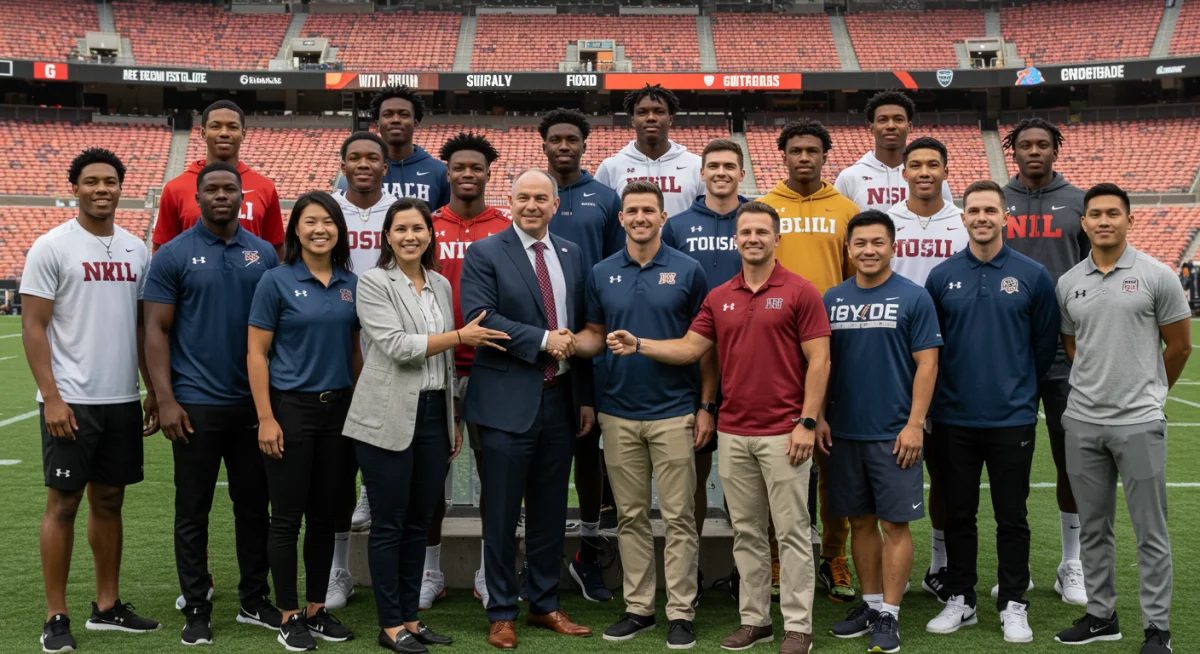
Leading collectives employ dedicated legal counsel to navigate the intricate web of NIL rules. They conduct thorough due diligence on all potential deals, draft compliant contracts, and educate athletes on their rights and responsibilities. This proactive legal support minimizes risks and protects all parties involved.
- Contract Review: Ensuring all endorsement agreements comply with NIL guidelines and protect athlete interests.
- Educational Workshops: Informing athletes about tax implications, financial planning, and responsible brand engagement.
- Regulatory Monitoring: Staying abreast of evolving NIL legislation and NCAA interpretations to adapt strategies accordingly.
Transparency and Accountability
Ethical collectives operate with a high degree of transparency, particularly concerning their funding sources and how athlete compensation is structured. This builds trust with donors, athletes, and the university. Regular audits and clear reporting mechanisms are integral to maintaining this transparency.
Accountability mechanisms, such as independent oversight boards or advisory committees, further bolster the collective’s credibility. These measures are vital for upholding the integrity of NIL Collective Strategies and preventing potential abuses.
Long-Term Impact on Athlete Development and Retention
Beyond immediate financial gains, sophisticated NIL Collective Strategies focus on the long-term development and retention of athletes. By providing valuable life skills, career opportunities, and a supportive environment, these collectives contribute to an athlete’s holistic growth, extending far beyond their collegiate playing days.
Programs that view NIL as an investment in their athletes’ futures are more likely to retain top talent and cultivate a positive team culture. This forward-thinking approach transforms NIL from a transactional arrangement into a developmental partnership.
Career Development and Networking
Collectives are increasingly offering career development services, including internships, mentorship programs, and networking opportunities with business leaders. These initiatives equip athletes with professional skills and connections that will serve them well post-college, regardless of their athletic trajectory.
- Internship Placements: Connecting athletes with companies for valuable work experience.
- Mentorship Programs: Pairing athletes with industry professionals for guidance and career advice.
- Networking Events: Facilitating interactions between athletes and potential employers or business partners.
Financial Literacy and Management
Many collectives provide financial literacy education, helping athletes manage their earnings, understand investments, and plan for their financial future. This crucial support empowers athletes to make informed decisions and build lasting wealth.
Teaching athletes how to responsibly handle their NIL income is a significant part of fostering their long-term well-being. These educational components are a testament to the evolving sophistication of NIL Collective Strategies.
The Future Landscape of NIL and College Football
Looking ahead to 2025 and beyond, the NIL landscape is expected to continue its rapid evolution. Federal legislation, new NCAA guidelines, and innovative market solutions will undoubtedly shape how collectives operate and how programs leverage them. Staying agile and adaptive will be paramount for sustained success.
The integration of NIL into the broader college athletics ecosystem will deepen, influencing everything from coaching hires to facility upgrades. The strategic importance of robust NIL Collective Strategies will only grow, making them indispensable components of competitive college football programs.
Potential Regulatory Changes
Discussions around federal NIL legislation continue, with potential implications for uniformity across states and greater clarity on agent involvement. Collectives must be prepared to adjust their operational models in response to any new federal mandates or NCAA rule changes.
- Federal Oversight: The possibility of a national NIL standard simplifying compliance for multi-state operations.
- NCAA Rule Refinements: Ongoing adjustments to NCAA guidelines regarding collective activities and institutional involvement.
- Agent Regulations: Potential new rules governing the representation of college athletes in NIL deals.
Technological Advancements and Data Analytics
Technology will play an increasingly vital role in optimizing NIL collective strategies. Data analytics can help identify high-potential recruits, track endorsement performance, and personalize outreach to donors. AI-driven platforms may streamline deal negotiation and compliance monitoring.
Leveraging cutting-edge technology will enable collectives to operate more efficiently, make data-driven decisions, and offer even more sophisticated services to athletes and programs. This technological integration is the next frontier for enhancing NIL Collective Strategies.
| Key Aspect | Brief Description |
|---|---|
| Strategic Recruitment | NIL collectives provide competitive endorsement packages, attracting top talent to programs. |
| Athlete Development | Focus on long-term branding, financial literacy, and career opportunities for athletes. |
| Compliance & Ethics | Robust legal frameworks ensure adherence to NCAA rules and ethical conduct in all dealings. |
| Future Adaptation | Collectives must remain agile, adapting to evolving regulations and technological advancements. |
Frequently Asked Questions About NIL Collectives
An NIL collective primarily facilitates Name, Image, and Likeness opportunities for college athletes, connecting them with businesses, donors, and fans for endorsement deals. They manage negotiations, ensure compliance, and often provide branding and financial literacy support.
NIL collectives significantly benefit programs by enhancing recruitment efforts, helping retain key athletes, and fostering a positive environment for athlete development. Their ability to secure lucrative and compliant deals gives programs a crucial competitive edge.
Generally, NIL collectives are independent entities, though they often work closely with universities. Direct affiliation is limited due to NCAA rules, which aim to prevent institutions from directly paying athletes for NIL or using NIL as a direct inducement for recruitment.
Ethical considerations include ensuring fair market value for deals, transparency in operations, strict adherence to NCAA and state regulations, and prioritizing athlete well-being over purely financial gains. Avoiding pay-for-play schemes is also a critical ethical boundary.
Athletes typically get involved through their university’s athletic department, which can connect them with relevant collectives. They can also directly approach collectives or be scouted by them based on their athletic performance and marketability. Building a strong personal brand is key.
Conclusion
The role of NIL Collective Strategies in college football has transitioned from a novel concept to an indispensable component of program success. In 2025, the most competitive teams are those that have embraced these collectives not just as transactional facilitators, but as integral partners in recruitment, athlete development, and brand building. As the regulatory landscape continues to evolve, adaptability, ethical operation, and a focus on long-term athlete well-being will define the leaders in this new era of collegiate athletics. The future of college football is inextricably linked to the sophistication and integrity of its NIL collective ecosystem.