NIL Landscape 2026: Guide for College Football Recruits
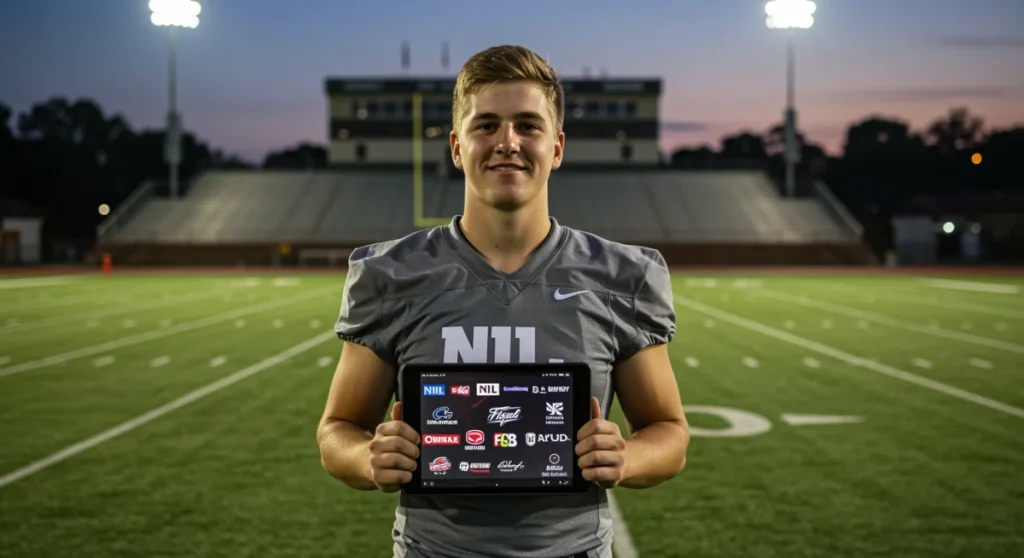
For 2026 college football recruits, understanding the Name, Image, and Likeness (NIL) landscape is paramount for maximizing opportunities and navigating potential pitfalls, requiring proactive education and strategic planning.
The world of college football is constantly evolving, and for the class of 2026, the Name, Image, and Likeness (NIL) rules present both unprecedented opportunities and complex challenges. Understanding how to effectively navigate the new NIL for Recruits 2026 landscape is crucial for maximizing your potential and ensuring a successful collegiate career. This guide will provide practical solutions and key considerations for future stars.
Understanding the Evolving NIL Landscape for 2026
The NIL era has fundamentally reshaped college athletics, moving from a strict amateur model to one where student-athletes can profit from their personal brand. For the 2026 recruiting class, this means an even more established, albeit still dynamic, framework for endorsement deals, social media monetization, and other commercial ventures. The initial wild west phase is giving way to a more structured, yet continuously adapting, environment.
Recruits entering college in 2026 will encounter a NIL ecosystem that has matured significantly since its inception. Early adopters and trailblazers have set precedents, and institutions, collectives, and brands have developed more sophisticated strategies. This evolution means that while opportunities are abundant, the competition for lucrative deals is also intensifying, demanding a proactive and informed approach from every aspiring college football player.
The Maturation of NIL Collectives and Institutional Support
NIL collectives, independent organizations often formed by boosters, have become significant players in the NIL space, facilitating deals for athletes at specific universities. By 2026, these collectives will likely operate with even greater sophistication and transparency, potentially offering more structured opportunities. Furthermore, many universities are now offering robust internal support programs, including education on financial literacy, brand building, and legal counsel, to help athletes navigate NIL effectively.
- Collective Integration: Understand how a university’s affiliated NIL collectives operate and their track record in securing deals for athletes.
- Institutional Resources: Evaluate the dedicated NIL support staff, educational workshops, and advisory services provided by potential schools.
- Transparency and Compliance: Inquire about the school’s commitment to NIL compliance and how they assist athletes in adhering to state laws and NCAA regulations.
The landscape for 2026 recruits will be characterized by a greater degree of professionalism and integration within the collegiate sports framework. While the core principle of athletes profiting from their NIL remains, the mechanisms and support systems surrounding these opportunities are becoming more refined, offering both greater access and heightened expectations for strategic engagement.
Building and Protecting Your Personal Brand Early On
In the NIL era, your personal brand is your most valuable asset. For 2026 recruits, establishing and cultivating a strong, positive brand image long before college is paramount. This involves strategic use of social media, community engagement, and consistent messaging that reflects your values and aspirations. Brands are looking for authenticity and a consistent narrative, not just athletic prowess.
Think of your social media presence as a professional portfolio. Every post, every interaction, contributes to the perception others have of you. Universities and potential NIL partners will scrutinize these platforms to assess your character, reach, and marketability. Therefore, a thoughtful and disciplined approach to your online identity is no longer optional; it’s a necessity for competitive recruiting and future NIL success.
Crafting a Strategic Social Media Presence
Social media platforms are powerful tools for brand building. For 2026 recruits, this means more than just sharing highlight reels. It involves curating content that showcases your personality, academic interests, community involvement, and work ethic. Engage positively with followers, share insights into your training, and highlight aspects of your life beyond football that resonate with a broader audience.
- Content Strategy: Plan your posts to reflect a balanced image, encompassing athletic achievements, academic pursuits, and personal interests.
- Audience Engagement: Respond thoughtfully to comments and messages, building a loyal and engaged following that adds value to your brand.
- Professionalism Online: Maintain a clean, respectful, and positive online presence, avoiding controversial topics or inappropriate language.
Protecting your brand extends beyond what you post; it also involves vigilance against misinformation and potential misuse of your image. Understand privacy settings, be cautious about sharing personal information, and consider consulting with parents or mentors before engaging in online debates or responding to negative comments. A strong, well-protected brand will open more doors for NIL opportunities.
Navigating Legalities and Compliance in NIL Deals
The legal landscape surrounding NIL is complex and varies significantly by state and institution. For 2026 recruits, understanding these nuances is critical to ensure compliance and protect your interests. Each state has its own NIL laws, and these laws interact with NCAA guidelines and individual university policies. What might be permissible in one state could be a violation in another.
Before signing any NIL agreement, it is imperative to seek expert legal counsel. A qualified attorney specializing in sports law or contract law can review offers, explain terms and conditions, and ensure that the deal aligns with all applicable regulations. This proactive approach can prevent future complications, protect you from predatory practices, and secure the best possible terms for your endorsements.
Understanding State Laws and NCAA Regulations
The patchwork of state NIL laws means that recruits must be aware of the specific regulations governing the institutions they are considering. Some states have more permissive laws than others, potentially impacting the types and values of deals available. Additionally, while the NCAA has provided some overarching guidelines, the primary enforcement often falls to state laws and institutional policies.
- Research State Laws: Familiarize yourself with the NIL laws of states where prospective universities are located.
- University Policies: Understand each school’s specific NIL policies, which may include restrictions on certain types of endorsements or disclosure requirements.
- NCAA Guidance: Stay informed about any evolving NCAA guidance on NIL, particularly regarding agent representation and booster involvement.
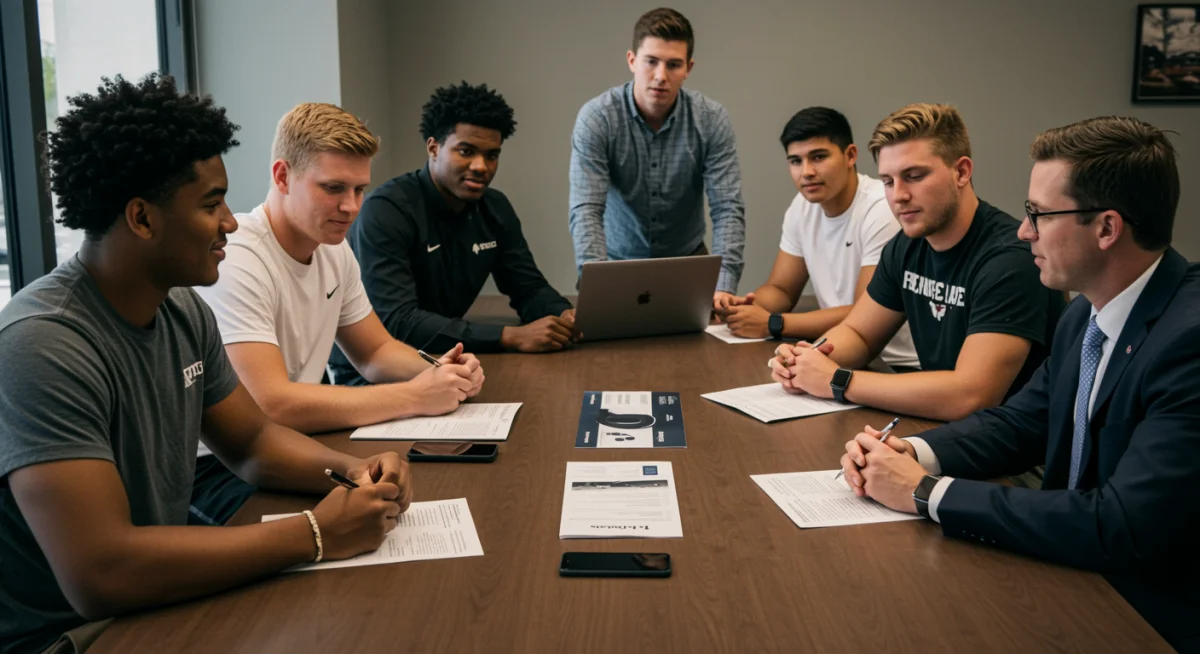

The complexity of NIL legalities underscores the importance of having trusted advisors. Relying solely on information from coaches or boosters, while well-intentioned, may not provide the comprehensive legal protection you need. Always seek independent legal advice to ensure your NIL agreements are sound and compliant, safeguarding your athletic eligibility and financial well-being.
Financial Literacy and Long-Term Planning for NIL Earnings
Earning income through NIL deals presents an incredible opportunity, but it also comes with significant financial responsibilities. For 2026 recruits, developing strong financial literacy skills and engaging in long-term planning are essential to manage earnings wisely. This includes understanding taxes, budgeting, saving, and making informed investment decisions. Many young athletes, upon receiving substantial income for the first time, face challenges in managing it effectively.
The financial decisions made during your college years can have a lasting impact on your future. Without proper guidance, NIL earnings can quickly dissipate or become a source of stress. Therefore, proactive education on financial management, preferably from independent financial advisors, is a critical component of maximizing the benefits of NIL opportunities and building a secure financial foundation.
Smart Money Management Strategies
Learning to budget, save, and understand tax obligations are fundamental skills for any NIL-earning athlete. Consider setting up separate accounts for NIL income, working with a tax professional, and exploring diverse investment options that align with your long-term goals. Avoid impulsive spending and prioritize building an emergency fund and future savings.
- Budgeting Basics: Create a realistic budget to track income and expenses, distinguishing between needs and wants.
- Tax Implications: Understand that NIL earnings are taxable income and plan accordingly by setting aside a portion for taxes.
- Savings and Investments: Explore options like Roth IRAs or other investment vehicles, even with relatively small amounts, to start building wealth early.
Professional financial guidance is invaluable for NIL athletes. A certified financial planner can help create a personalized financial plan, navigate investment opportunities, and provide ongoing advice. This expertise ensures that your NIL earnings contribute to your long-term financial security, rather than becoming a short-term windfall with no lasting impact.
Evaluating NIL Opportunities and Potential Pitfalls
Not all NIL deals are created equal. As a 2026 recruit, you will likely encounter various opportunities, ranging from simple social media posts to more complex endorsement contracts. Learning to critically evaluate each offer, understanding its true value, and identifying potential pitfalls is crucial. Some deals might offer immediate cash, while others might provide long-term brand building or valuable experience.
Beyond the financial terms, consider the alignment of the brand with your personal values and long-term aspirations. An endorsement deal with a company that conflicts with your image or beliefs could be detrimental to your brand in the long run. It is also important to be wary of deals that seem too good to be true or require you to compromise your academic or athletic commitments.
Key Questions to Ask Before Signing a Deal
Before committing to any NIL agreement, ask probing questions to fully understand the terms, expectations, and potential implications. This due diligence can prevent misunderstandings and protect you from unfavorable clauses. Always involve your legal and financial advisors in this evaluation process.
- Scope of Work: Clearly define the deliverables, time commitment, and intellectual property rights associated with the deal.
- Compensation Structure: Understand how and when you will be paid, including any performance-based incentives or royalties.
- Exclusivity Clauses: Be aware of any clauses that might restrict you from pursuing other NIL opportunities with competing brands.
- Exit Strategies: Understand the conditions under which either party can terminate the agreement and any associated penalties.
The allure of immediate income can sometimes overshadow the importance of thorough evaluation. However, taking the time to scrutinize every offer and seek professional advice will empower you to make informed decisions that benefit your career and brand in the long term. Remember, your NIL value is a finite resource; use it strategically.
The Role of Agents and Advisors for 2026 Recruits
For 2026 college football recruits, the decision of whether and when to engage agents and other professional advisors for NIL purposes is a significant one. While not all athletes will require an agent, many will benefit from the expertise of professionals who can navigate the complexities of contract negotiation, brand management, and legal compliance. These advisors can be invaluable in maximizing NIL opportunities and protecting your interests.
It’s important to distinguish between different types of advisors. An agent typically focuses on negotiating deals, while a marketing consultant might help build your brand, and a financial advisor manages your earnings. Understanding the roles and responsibilities of each can help you assemble the right team to support your NIL journey. Transparency and trust are paramount in these relationships.
Selecting the Right Advisory Team
When choosing agents or advisors, look for individuals with a proven track record, strong ethical standards, and a deep understanding of the NIL landscape. Interview multiple candidates, ask for references, and ensure their fees are transparent and reasonable. Avoid anyone who pressures you into quick decisions or promises unrealistic outcomes.
- Accreditation and Reputation: Verify that agents are certified by relevant professional organizations and have a positive reputation within the industry.
- Fee Structure: Understand how advisors are compensated (e.g., flat fee, percentage of deals) and ensure it aligns with industry standards.
- Communication and Trust: Choose advisors with whom you feel comfortable communicating openly and who genuinely have your best interests at heart.
The right advisory team can be a game-changer for NIL for Recruits 2026, providing expert guidance and peace of mind. They allow you to focus on your athletic and academic pursuits while confidently navigating the commercial aspects of your personal brand. Investing in professional advice is an investment in your future success both on and off the field.
| Key Consideration | Practical Solution |
|---|---|
| Evolving NIL Landscape | Stay informed on state laws, NCAA rules, and university policies. |
| Personal Brand Building | Develop a strategic, positive social media presence early. |
| Legal and Compliance | Seek independent legal counsel for all NIL deals. |
| Financial Management | Engage financial advisors for budgeting, taxes, and investments. |
Frequently Asked Questions About NIL for 2026 Recruits
NIL stands for Name, Image, and Likeness, allowing college athletes to profit from their personal brand. For 2026 recruits, this means opportunities for endorsements, appearances, and social media monetization, regulated by state laws and NCAA guidelines, which have become more established since NIL’s inception.
Social media is critically important. It serves as a primary platform for building and showcasing your personal brand. Brands assess your reach and engagement to determine marketability. A positive, professional, and authentic online presence can significantly enhance your NIL value and attract lucrative endorsement opportunities.
While not mandatory, hiring an agent or specialized advisor can be highly beneficial for 2026 recruits, especially for complex deals. It’s advisable to consider this once you start receiving significant offers or need help with contract negotiation, legal compliance, and brand strategy. Always choose accredited professionals.
Common financial pitfalls include misunderstanding tax obligations, impulsive spending, lack of budgeting, and failing to plan for the long term. Without proper financial literacy and professional guidance, NIL earnings can be mismanaged, leading to missed opportunities for savings and investment, impacting future financial stability.
To ensure compliance, recruits must research state NIL laws, understand university-specific policies, and consult with independent legal counsel before signing any agreement. Disclosure of deals to the institution is often required. Proactive legal advice is essential to navigate the complex and varying regulatory landscape effectively and protect eligibility.
Conclusion
The NIL landscape for the 2026 college football recruiting class is a dynamic and opportunity-rich environment, but one that demands informed and strategic navigation. By prioritizing personal brand development, understanding the legal and financial intricacies, and assembling a trusted advisory team, recruits can maximize their NIL potential while safeguarding their athletic and academic futures. Proactive education and diligent decision-making are not just advantageous; they are essential for thriving in this new era of collegiate sports.