College Football Offenses 2025: Trends in Scheme & Player Use
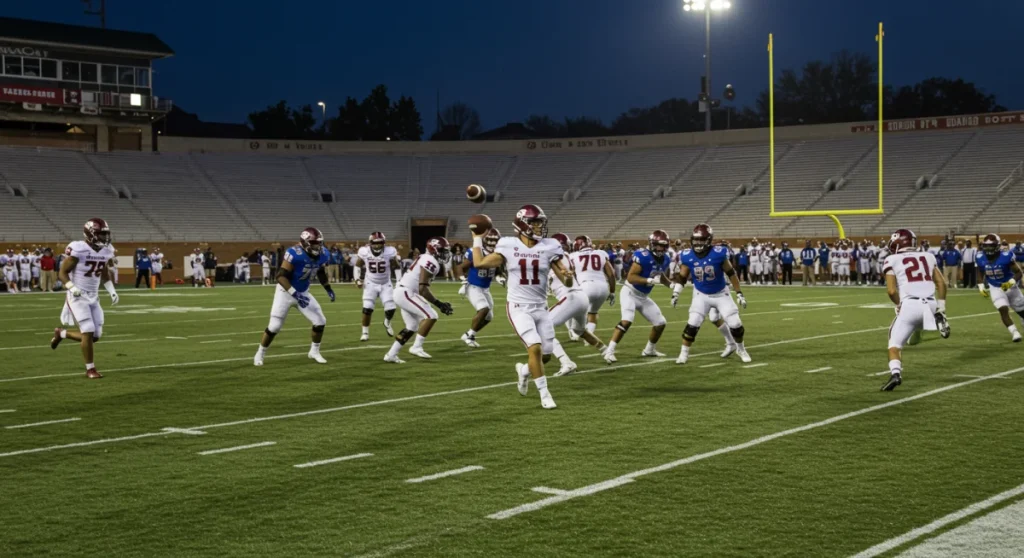
The evolution of college football offenses in 2025 is marked by a continuous shift towards innovative scheme designs and optimized player utilization, significantly influencing game outcomes and strategic development.
The landscape of college football is constantly shifting, and nowhere is this more evident than in offensive strategies. As we look towards 2025, the game continues its rapid evolution, pushing the boundaries of what’s possible on the field. This article delves into the evolution of college football offenses, exploring the cutting-edge trends shaping scheme design and player utilization.
The Rise of RPO and Hybrid Schemes
The Run-Pass Option (RPO) has fundamentally reshaped offensive playbooks across college football. Once a niche concept, it is now a cornerstone of many successful offenses, blending the power of the run game with the quick-strike ability of the passing attack. This integration forces defenses to commit, opening up opportunities for big plays.
Beyond RPOs, hybrid schemes are becoming increasingly prevalent. These offenses refuse to be pigeonholed into traditional categories, instead drawing elements from multiple philosophies to create unique, unpredictable attacks. They prioritize adaptability and exploiting defensive weaknesses, often leading to high-scoring affairs.
Adapting to Defensive Pressures
As defensive coordinators devise new ways to counter RPOs and spread offenses, offensive minds are forced to innovate further. This constant cat-and-mouse game drives much of the strategic evolution we see. The ability to quickly adjust and maintain unpredictability is paramount for offensive success in the modern era.
- Pre-snap reads: Quarterbacks are being trained to make complex reads before the snap, identifying defensive alignments and adjusting plays on the fly.
- Post-snap decisions: The RPO game demands quick, accurate decisions from the quarterback after the ball is snapped, seamlessly transitioning from run to pass based on defensive reactions.
- Personnel flexibility: Offenses are increasingly using versatile players who can line up in multiple positions, creating mismatches and tactical advantages.
The continued refinement of RPO concepts and the emergence of truly hybrid offensive systems demonstrate a clear trend: offenses are becoming more complex and harder to defend. This dynamic interplay between offense and defense ensures that the strategic arms race in college football will only intensify.
Player Utilization: Versatility is Key
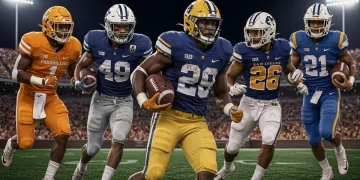
The days of highly specialized players are fading. In 2025, offensive coordinators are prioritizing versatility, seeking athletes who can contribute in multiple facets of the game. This shift allows for greater flexibility in play-calling and creates headaches for opposing defenses trying to match up.
From quarterbacks who can run and throw with equal proficiency to tight ends who can block like linemen and catch like receivers, the modern offensive player is a multi-tool threat. This emphasis on versatility extends to every position, maximizing the potential of each snap.
The Evolving Role of the Quarterback
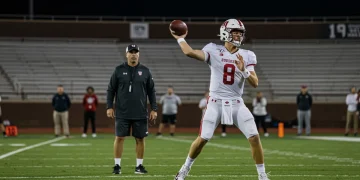
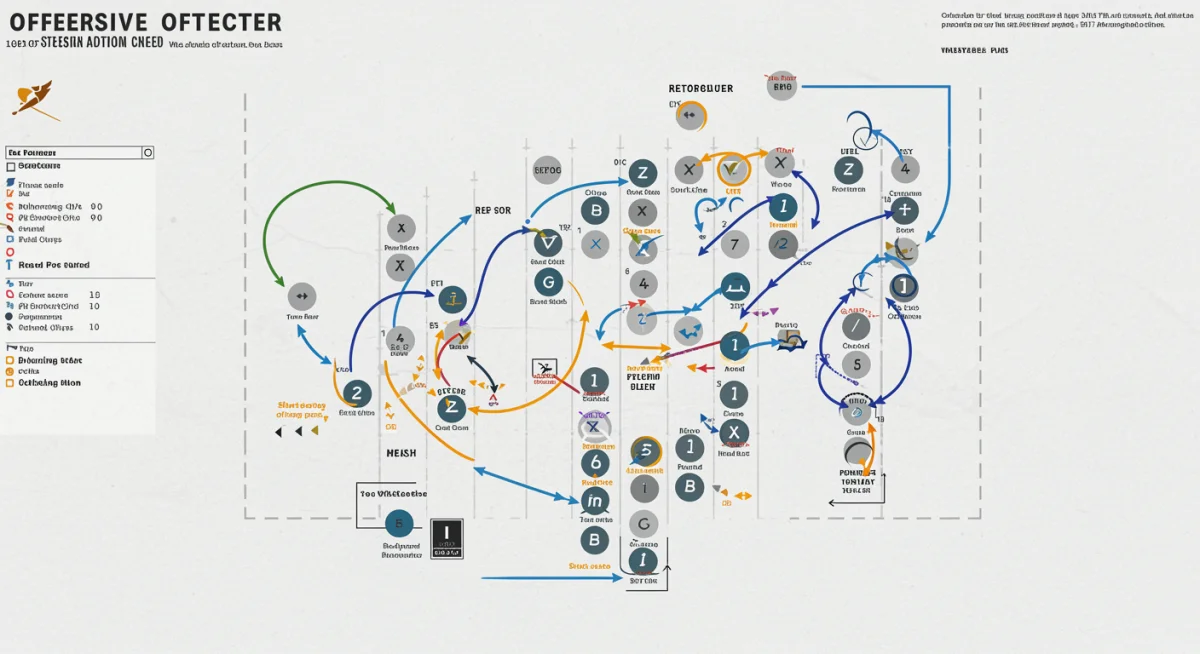
The quarterback position has undergone the most significant transformation. No longer just a pocket passer or a pure runner, the contemporary college quarterback is an athletic playmaker capable of executing complex RPOs, extending plays with their legs, and delivering precise passes under pressure. Their decision-making speed and athletic prowess are critical.
- Dual-threat capabilities: Quarterbacks are expected to be legitimate threats both through the air and on the ground.
- Leadership and intelligence: Beyond physical tools, mental acuity to process defenses and lead the offense is more crucial than ever.
- Adaptability: The ability to adapt to changing defensive looks and execute audibles is a hallmark of elite college quarterbacks.
This focus on versatile athletes allows offenses to present a wider array of threats, making it incredibly difficult for defenses to predict and counter their intentions. The strategic deployment of these multi-talented players is a cornerstone of modern offensive design.
Data Analytics and Advanced Scouting
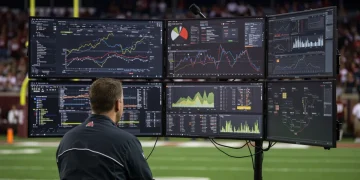
The integration of data analytics into college football has revolutionized how offenses are designed and executed. Teams are no longer relying solely on intuition; instead, they leverage vast amounts of data to identify tendencies, optimize play calls, and gain a competitive edge. This analytical approach informs everything from game planning to player development.
Advanced scouting, powered by sophisticated software and statistical models, provides an unprecedented level of insight into opponent strategies. This allows offensive coordinators to tailor their schemes to exploit specific defensive weaknesses, increasing the likelihood of successful plays. The era of gut feelings is being steadily replaced by data-driven decisions.
Optimizing Play Calling with Data
Coaches use data to understand down-and-distance probabilities, defensive coverage tendencies, and even individual player matchups. This information helps them make more informed decisions in real-time, leading to more efficient and effective play calls. The goal is to put players in the best possible position to succeed based on empirical evidence.
- Tendency identification: Analyzing opponent data to predict defensive alignments and coverages in specific situations.
- Situational awareness: Using analytics to understand the most effective plays for different down, distance, and field position scenarios.
- Player performance metrics: Tracking individual player data to optimize their roles and identify areas for improvement.
The impact of data analytics on offensive scheme design cannot be overstated. It provides a scientific basis for strategic decisions, moving college football further into the realm of advanced statistical analysis and away from traditional scouting methods.
Tempo and Pace of Play
The pace of play continues to be a critical factor in offensive success. Fast-paced, up-tempo offenses aim to tire out defenses, prevent substitutions, and create confusion. This strategy often leads to more offensive snaps and, consequently, more opportunities to score.
Conversely, some offenses strategically slow down the tempo to control the clock, wear down opponents with a powerful run game, and limit the number of possessions for high-powered opposing offenses. The choice of tempo is a tactical decision, tailored to the team’s strengths and the opponent’s weaknesses.
Strategic Use of No-Huddle
The no-huddle offense is a prime example of utilizing tempo as a weapon. By eliminating or minimizing the huddle, offenses can maintain a high pace, forcing defenses to remain on the field and preventing them from making personnel changes or complex adjustments. This can lead to defensive breakdowns and advantageous matchups for the offense.
- Fatiguing defenses: A relentless pace can exhaust defensive players, leading to mental errors and missed assignments.
- Limiting substitutions: Fast tempo prevents defenses from bringing in specialized packages for different situations.
- Creating confusion: Defenses have less time to communicate and adjust, leading to misalignments and open receivers or running lanes.
The strategic manipulation of tempo, whether fast or slow, forms a crucial part of modern offensive game planning. Coaches meticulously analyze how best to utilize pace to gain an advantage over their opponents, making it a key trend in college football offenses.
Creative Use of Formations and Motion
Offensive coordinators are constantly seeking new ways to gain an advantage, and creative use of formations and pre-snap motion is a primary tool. By shifting players before the snap, offenses can disguise their intentions, force defenses to show their hand, and create favorable matchups.
The variety of formations, from traditional pro-style sets to exotic empty formations, allows offenses to present a multitude of looks. When combined with dynamic motion, these formations can create confusion and open up passing lanes or running gaps that wouldn’t otherwise exist.
Exploiting Defensive Reads
Motion is not just for show; it serves a strategic purpose. It can be used to identify if a defense is playing man or zone coverage, to shift defensive personnel away from a desired attack point, or to create a numbers advantage at the point of attack. The more complex the motion, the more information an offense can glean from the defense’s reaction.
- Disguising plays: Motion can make a run play look like a pass, or vice versa, keeping defenses guessing.
- Creating mismatches: Moving a speedy receiver into a favorable matchup against a slower defender.
- Altering blocking schemes: Motion can facilitate better blocking angles or create additional blockers at the point of attack.
The art of offensive deception through formations and motion continues to evolve, making it a critical component of successful offensive schemes. These tactics are designed to keep defenses off balance and create opportunities for explosive plays in today’s college football.
Specialized Player Development and Coaching
As offenses become more complex, so too does the need for specialized player development and coaching. Teams are investing more resources into position-specific coaching, strength and conditioning tailored to modern schemes, and mental preparation to handle the demands of advanced offenses. This holistic approach aims to maximize individual talent within the team’s overall offensive philosophy.
From dedicated quarterback coaches focusing on RPO reads to offensive line coaches emphasizing zone blocking schemes, the coaching staff itself is evolving. The goal is to ensure every player understands their role within the intricate offensive system and can execute it flawlessly under pressure.
The Impact of Offensive Coordinators
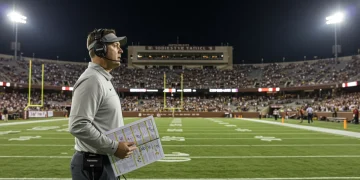
The offensive coordinator position has become one of the most visible and impactful roles in college football. These strategists are the architects of modern offenses, constantly innovating and adapting to stay ahead of defensive trends. Their ability to design and implement effective schemes directly correlates with a team’s success.
- Scheme innovation: Developing new plays and concepts that leverage player strengths and exploit defensive weaknesses.
- Game planning: Meticulously preparing weekly game plans that maximize offensive opportunities against specific opponents.
- Player communication: Effectively teaching complex schemes to players and ensuring clear communication during games.
The continuous refinement of specialized player development and the critical role of innovative offensive coordinators underscore the ongoing evolution of college football offenses. This commitment to expertise ensures that offensive strategies will continue to push the boundaries of the sport.
| Key Trend | Brief Description |
|---|---|
| RPO & Hybrid Schemes | Integration of run-pass options and blended offensive philosophies for unpredictability. |
| Versatile Player Utilization | Emphasis on multi-skilled athletes who can perform various roles across positions. |
| Data Analytics | Using advanced statistics and scouting to optimize play-calling and scheme design. |
| Tempo Control | Strategic use of fast or slow pace to dictate game flow and fatigue defenses. |
Frequently Asked Questions About College Football Offenses
The most significant change is the widespread adoption and refinement of hybrid RPO schemes. These offenses seamlessly blend run and pass plays, demanding quick decisions from quarterbacks and forcing defenses into difficult choices, ultimately making them harder to defend than traditional systems.
Player versatility is crucial because it allows offensive coordinators to create mismatches and run a wider array of plays from the same formation. Athletes who can play multiple roles, like dual-threat quarterbacks or receiving tight ends, provide maximum flexibility and unpredictability.
Absolutely. Data analytics are transforming play-calling by providing empirical insights into defensive tendencies, optimal situational plays, and player performance. This data-driven approach allows coaches to make more informed decisions, moving beyond intuition to maximize offensive efficiency and success.
Tempo plays a strategic role, either by accelerating the pace to exhaust defenses and prevent substitutions, or by slowing it down to control the clock and establish a dominant run game. Both approaches aim to gain a tactical advantage and dictate the flow of the game.
Creative formations and pre-snap motion are vital for deception and creating mismatches. They force defenses to reveal their coverage, shift personnel, and create favorable angles for blockers or open spaces for receivers, making the offense more dynamic and difficult to predict.
Conclusion
The evolution of college football offenses by 2025 is a testament to continuous innovation and strategic adaptation. From the dynamic integration of RPOs and hybrid schemes to the emphasis on versatile players and data-driven decision-making, the game is constantly pushing its boundaries. The strategic use of tempo, deceptive formations, and specialized coaching further underscore the complexity and excitement of modern offensive football. As the sport continues to evolve, we can expect even more creative and sophisticated approaches to scheme design and player utilization, ensuring that college football remains a thrilling spectacle of athleticism and intellect.