Player Safety in College Football: 2025 Protocols & Tech
New rule changes and technological advancements are significantly enhancing player safety in college football for 2025, focusing on reducing injury risks and ensuring athlete well-being through comprehensive protocols.
The landscape of college football is constantly evolving, and at the forefront of these changes is a paramount focus on athlete well-being. Understanding the intricate details of player safety protocols in college football for 2025 is crucial for fans, players, and coaches alike, as new regulations and cutting-edge technology redefine how the game is played and protected.
The Evolution of Concussion Protocols and Diagnosis
Concussions remain one of the most pressing concerns in football, prompting continuous advancements in diagnostic methods and management strategies. The NCAA and various conferences are committed to refining protocols to ensure immediate and accurate identification of concussions, minimizing the risk of long-term neurological damage.
In 2025, expect to see even more stringent concussion protocols. These include enhanced sideline evaluations, mandatory independent neurological consultants, and standardized return-to-play guidelines. The goal is to remove any ambiguity in diagnosis and prioritize the athlete’s health above all else.
Advanced Sideline Assessment Tools
Technological innovations are playing a critical role in improving sideline concussion assessments. Handheld devices and advanced sensor technology embedded in helmets are providing real-time data to medical staff, enabling quicker and more informed decisions.
- Eye-tracking technology: New devices can analyze involuntary eye movements to detect subtle neurological impairments indicative of a concussion.
- Cognitive baseline testing: Athletes undergo pre-season cognitive tests, providing a baseline for comparison if a suspected concussion occurs during the season.
- Wearable sensors: Miniaturized sensors in helmets and mouthguards measure impact forces, alerting medical personnel to potentially concussive events.
These tools, combined with traditional symptom checklists and neurological exams, offer a multi-faceted approach to concussion diagnosis. The emphasis is on a comprehensive evaluation that leaves no stone unturned, ensuring that no athlete returns to play prematurely.
The continuous refinement of concussion protocols and the integration of advanced diagnostic tools underscore the commitment to player safety. These measures are designed not only to identify concussions more effectively but also to provide the necessary time and resources for athletes to recover fully before returning to the gridiron.
Rule Changes Shaping Safe Play in 2025
Beyond medical protocols, rule changes are perhaps the most direct way to influence player behavior and reduce injury risk on the field. For the 2025 season, several key rule modifications are anticipated to further enhance safety, particularly in tackling and contact situations.
These rule adjustments are often the result of extensive research, data analysis, and feedback from coaches, players, and medical experts. The aim is to make the game safer without compromising its integrity or excitement.
Targeting and Helmet-to-Helmet Contact Enforcement
Targeting rules have been a significant focus for years, and 2025 will likely see an even stricter interpretation and enforcement. The emphasis remains on eliminating hits to the head and neck area, which are directly linked to brain injuries.
- Expanded review criteria: Officials will have more tools and angles for reviewing targeting penalties, aiming for greater consistency in calls.
- Progressive penalties: Repeat offenders may face longer suspensions, reinforcing the severe consequences of dangerous hits.
- Educational initiatives: Players and coaches will continue to receive extensive training on proper tackling techniques that minimize helmet-to-helmet contact.
Additionally, changes in kickoff and punt return rules are being considered to reduce high-speed collisions, which historically have been sources of significant injuries. These modifications often involve adjusting starting positions or limiting contact zones to create a safer environment for special teams plays.
The collective impact of these rule changes is to instill a culture of caution and respect for player safety. By penalizing dangerous play and promoting safer techniques, the NCAA hopes to create a game where athleticism and skill are showcased without unnecessary risk.
Technological Innovations in Protective Gear
The evolution of protective gear is a cornerstone of enhanced player safety. Manufacturers are continually innovating, leveraging advanced materials and design principles to create equipment that offers superior protection without hindering performance. The 2025 season will showcase some of the most sophisticated gear yet.
From helmets to padding, every piece of equipment is being scrutinized and redesigned with athlete well-being in mind. The focus is on distributing impact forces, reducing rotational acceleration, and providing a more comfortable, secure fit.
Next-Generation Helmets and Padding
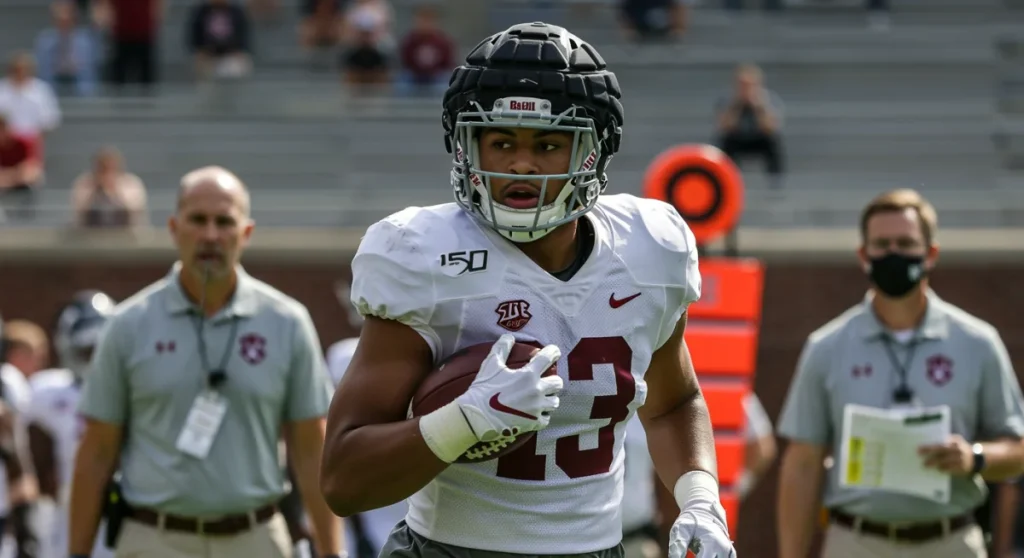
Helmets are undergoing a revolution, incorporating multi-layered designs, advanced polymers, and even liquid-filled systems to absorb and dissipate impact energy more effectively. The aim is to mitigate both linear and rotational forces that contribute to concussions.
Beyond helmets, shoulder pads, hip pads, and even thigh pads are being engineered with new materials that offer better protection while remaining lightweight and flexible. This allows players to maintain their agility and range of motion, crucial for optimal performance.
Companies are also exploring custom-fit equipment, utilizing 3D scanning and printing technologies to create gear that perfectly molds to an athlete’s body. This personalized approach can significantly enhance protection and comfort, reducing the likelihood of equipment-related injuries.
The integration of smart technology into protective gear is also becoming more prevalent. Sensors embedded in pads can monitor body temperature, hydration levels, and even heart rate, providing valuable biometric data to medical staff in real-time. This holistic approach to safety ensures that athletes are protected from both external impacts and internal physiological stressors.
The continuous investment in research and development for protective gear highlights the industry’s dedication to making college football as safe as possible. These advancements are crucial in safeguarding athletes in an increasingly physical sport.
Training Techniques and Coaching Adjustments
Rule changes and advanced equipment are only part of the equation; how players are trained and coached is equally vital for player safety. In 2025, there’s a growing emphasis on teaching safe techniques from a young age and integrating injury prevention into every aspect of practice.
Coaches are adapting their methodologies to align with the latest safety protocols. This involves a shift from traditional, high-impact drills to more controlled, technique-focused exercises that minimize unnecessary contact.
Emphasis on Heads-Up Tackling and Blocking
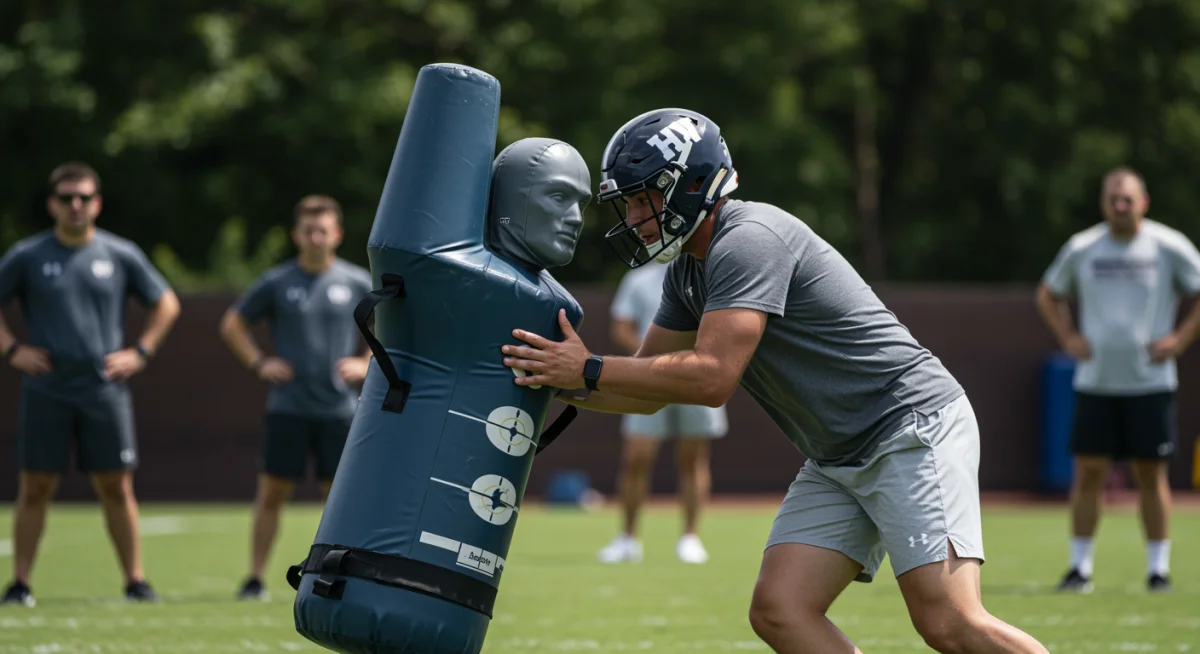
The principle of “heads-up” tackling and blocking has become a cornerstone of modern football training. This technique emphasizes keeping the head out of the play, making contact with the shoulders and chest, and avoiding leading with the crown of the helmet.
- Specific drill design: Practices now include drills specifically designed to reinforce proper tackling angles and body positioning, reducing head contact.
- Repetitive instruction: Coaches provide constant feedback and correction, ensuring that safe techniques become second nature for players.
- Progressive contact: Training regimens often incorporate a gradual increase in contact intensity, allowing players to master techniques before full-contact situations.
Beyond specific techniques, conditioning programs are also being tailored to enhance overall athlete resilience. Strengthening neck muscles, improving core stability, and focusing on functional movements can all contribute to reducing injury risk. This comprehensive approach to training prepares athletes physically and mentally for the demands of the game while prioritizing their safety.
The cultural shift in coaching, moving towards safer techniques and injury prevention, is a testament to the sport’s commitment to protecting its athletes. This proactive approach ensures that players are not only skilled but also prepared to play safely.
Medical Staff and Emergency Response Enhancements
The immediate medical care and emergency response capabilities on the sidelines are critical components of player safety. For 2025, college football programs are further strengthening their medical teams and refining emergency action plans to ensure rapid and effective care when injuries occur.
This includes increasing the number of qualified medical professionals present at practices and games, as well as providing them with the latest equipment and training.
Expanded Medical Personnel and Training
Many programs are now required to have a larger complement of medical staff, including certified athletic trainers, team physicians, and specialists, dedicated solely to athlete well-being. This ensures a higher level of immediate care and expertise.
- Independent medical oversight: The presence of independent medical personnel, not directly employed by the athletic department, helps ensure objective decision-making regarding player health.
- Advanced emergency training: Medical staff regularly participate in simulations and training exercises for various injuries, including spinal trauma and cardiac arrest, to hone their emergency response skills.
- Access to specialized equipment: Sidelines are equipped with state-of-the-art medical devices, such as automated external defibrillators (AEDs), vacuum splints, and advanced airway management tools.
Furthermore, communication protocols between medical staff, coaches, and officials are being streamlined to facilitate quicker responses to on-field incidents. Clear lines of communication are essential for efficient injury management and ensuring the best possible outcomes for injured athletes.
The investment in robust medical staffing and comprehensive emergency response plans reflects a deep commitment to athlete welfare. These measures provide a critical safety net, ensuring that every player receives prompt and expert care in times of need.
Long-Term Athlete Health and Wellness Programs
Player safety extends beyond immediate injury prevention and treatment; it encompasses the long-term health and wellness of athletes. College football programs are increasingly implementing comprehensive programs that address both physical and mental health, preparing athletes for life during and after their playing careers.
These programs recognize that the demands of collegiate athletics can take a significant toll, and proactive support is essential for overall well-being.
Mental Health Support and Academic Resources
Recognizing the immense pressure faced by student-athletes, mental health support has become a priority. Access to sports psychologists, counselors, and mental performance coaches is now a standard offering in many programs.
- Confidential counseling services: Athletes have access to confidential resources to address stress, anxiety, depression, and other mental health challenges.
- Life skills development: Programs focus on teaching time management, financial literacy, and career planning to prepare athletes for post-football life.
- Academic support: Robust academic advising and tutoring services ensure student-athletes can balance their demanding schedules with their studies.
Beyond mental health, long-term physical health monitoring is also gaining traction. This includes post-career health screenings, access to rehabilitation services for chronic injuries, and education on healthy lifestyle choices. The goal is to provide a continuum of care that supports athletes throughout their lives, acknowledging the lasting impact of their playing careers.
These holistic health and wellness programs demonstrate a deeper understanding of athlete needs, moving beyond just physical performance to encompass comprehensive well-being. This commitment ensures that college football players are supported as complete individuals.
Data Analytics and Predictive Injury Modeling
The power of data analytics is transforming how college football approaches player safety. By collecting and analyzing vast amounts of data, teams and medical staff can gain insights into injury patterns, identify risk factors, and even predict potential injuries before they occur. This proactive approach is a game-changer for athlete protection.
From practice intensity to individual biomechanics, every data point can contribute to a more comprehensive understanding of player health and vulnerability.
Leveraging Biometric and Performance Data
Wearable technology, such as GPS trackers and heart rate monitors, collects real-time biometric data during practices and games. This data, combined with performance metrics, allows coaches and medical staff to monitor athlete load and fatigue levels.
- Workload management: By analyzing training intensity and recovery, teams can adjust practice schedules to prevent overtraining and reduce soft tissue injuries.
- Individualized risk assessment: Algorithms can identify players at higher risk of specific injuries based on their unique biomechanics, injury history, and performance data.
- Return-to-play optimization: Data-driven insights help guide rehabilitation processes, ensuring athletes are fully recovered and conditioned before returning to competition.
Predictive injury modeling, using artificial intelligence and machine learning, is becoming increasingly sophisticated. These models can analyze complex datasets to forecast injury probabilities, allowing for targeted interventions and preventative measures. This proactive approach stands in stark contrast to reactive injury management, offering a new frontier in player safety.
The integration of data analytics and predictive modeling represents a significant leap forward in safeguarding college football players. By transforming raw data into actionable insights, programs can make more informed decisions to protect their athletes effectively.
| Key Aspect | 2025 Safety Enhancement |
|---|---|
| Concussion Protocols | Stricter sideline evaluations, independent neurologists, advanced sensor tech for detection. |
| Rule Changes | Enhanced targeting enforcement, special teams modifications to reduce high-speed collisions. |
| Protective Gear | Next-gen helmets with multi-layered absorption, smart pads, and custom-fit equipment. |
| Data Analytics | Predictive injury modeling, workload management, and individualized risk assessment via biometric data. |
Frequently Asked Questions About College Football Safety
The primary goals are to reduce injury rates, particularly concussions, through stricter rule enforcement, advanced protective gear, improved diagnostic tools, and comprehensive athlete wellness programs. The focus is on proactive prevention and rapid, effective response to injuries.
Technology is crucial, with advanced helmet sensors, eye-tracking devices, and cognitive baseline testing providing real-time data for quicker and more accurate concussion diagnoses. Wearable sensors also monitor impact forces, alerting medical staff to potential incidents.
Stricter enforcement of targeting rules, focusing on helmet-to-helmet contact, and potential modifications to special teams plays (kickoffs and punts) are expected to have the most significant impact. These changes aim to reduce high-impact collisions and dangerous hits.
Yes, comprehensive mental health support is a key component. College football programs are increasingly offering access to sports psychologists, counselors, and confidential services to help athletes manage stress, anxiety, and other mental well-being challenges.
Data analytics, using wearable tech and AI, helps monitor athlete workload, identify individual injury risk factors, and optimize training regimens. This allows for predictive injury modeling and targeted interventions to prevent injuries before they occur, ensuring smarter athlete management.
Conclusion
The commitment to player safety in college football for 2025 is undeniable, representing a multi-faceted approach that integrates evolving rule changes, cutting-edge technology, and a holistic focus on athlete well-being. From advanced concussion protocols and protective gear to refined training techniques and comprehensive mental health support, the sport is actively working to create a safer environment for its participants. These ongoing efforts not only protect the athletes but also ensure the long-term sustainability and integrity of college football, allowing the game to thrive while prioritizing the health of those who play it.