College Football Strength & Conditioning in 2025: Innovations for Peak Performance
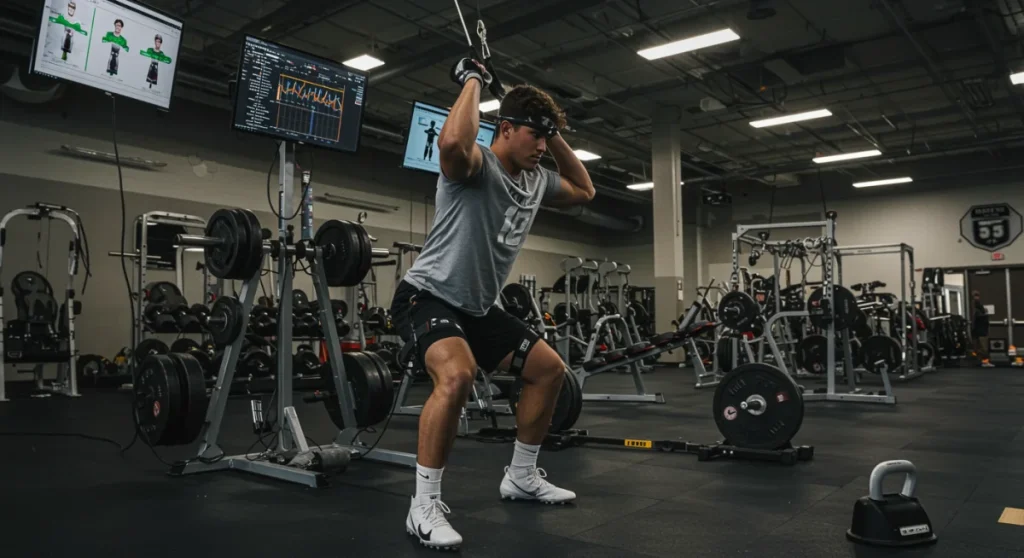
In 2025, College Football Strength & Conditioning integrates advanced biomechanical analysis, AI-driven programming, and comprehensive recovery protocols to enhance player safety and elevate on-field performance to unprecedented levels.
The landscape of college football is constantly evolving, and nowhere is this more evident than in the realm of strength and conditioning. As we look towards 2025, the focus on optimizing athlete performance while simultaneously mitigating injury risk has reached a new pinnacle. This article delves into how innovations in College Football Strength & Conditioning are shaping the future of the sport, ensuring players are stronger, faster, and more resilient than ever before.
The Evolution of Data-Driven Training
The days of merely lifting heavy weights without precise metrics are rapidly fading. In 2025, data-driven training is the cornerstone of effective strength and conditioning programs in college football. Coaches are leveraging an unprecedented amount of information to tailor workouts, monitor progress, and identify potential issues before they become significant problems. This analytical approach allows for highly personalized programs that address each athlete’s unique needs and physiological responses.
The integration of advanced sensors and wearables has revolutionized how data is collected. Everything from bar speed during lifts to ground reaction forces during sprints is meticulously recorded and analyzed. This real-time feedback empowers coaches to make immediate adjustments and provides athletes with a deeper understanding of their own bodies and performance.
Wearable Technology and Biometric Monitoring
Wearable devices have become indispensable tools in modern college football. These devices go beyond simple heart rate tracking, offering insights into complex physiological metrics.
- GPS Trackers: Provide detailed analyses of speed, acceleration, deceleration, and distance covered during practices and games, informing load management.
- Heart Rate Variability (HRV): Offers a window into an athlete’s recovery status and readiness to train, helping prevent overtraining syndrome.
- Sleep Trackers: Monitor sleep quality and duration, recognizing its critical role in recovery and cognitive function.
- Muscle Oxygen Sensors: Measure oxygen saturation in muscles, providing real-time feedback on muscle fatigue and metabolic stress during training.
This wealth of biometric data allows strength and conditioning coaches to create a precise picture of each athlete’s physical state. It moves beyond generic training plans, fostering an environment where every lift, sprint, and recovery session is optimized for individual outcomes. The goal is not just to train hard, but to train smart, ensuring every effort contributes directly to peak performance and injury prevention.
Ultimately, data-driven training transforms strength and conditioning from an art into a science. By quantifying performance and physiological responses, coaches can make informed decisions that maximize athletic potential and safeguard player health, defining the modern approach to College Football Strength & Conditioning.
Advanced Injury Prevention Strategies
Injury prevention remains a paramount concern in college football, and 2025 sees significant advancements in this area. The focus has shifted from reactive treatment to proactive measures, utilizing predictive analytics and targeted interventions to reduce the incidence and severity of injuries. This involves a multi-faceted approach that considers biomechanics, tissue health, and psychological factors.
One of the most exciting developments is the use of AI and machine learning to predict injury risk. By analyzing vast datasets of player performance, training loads, injury history, and even genetic predispositions, these systems can identify players at higher risk, allowing for preventative actions to be taken before an injury occurs.
Biomechanical Analysis and Movement Screening
Understanding how an athlete moves is crucial for preventing injuries. Advanced biomechanical analysis tools provide detailed insights into movement patterns.
- 3D Motion Capture: Identifies subtle inefficiencies or compensations in movement that could lead to injury under stress.
- Force Plates: Measure ground reaction forces, helping assess muscular imbalances and power production deficits.
- Isokinetic Dynamometers: Quantify joint strength and range of motion, pinpointing weaknesses that need addressing.
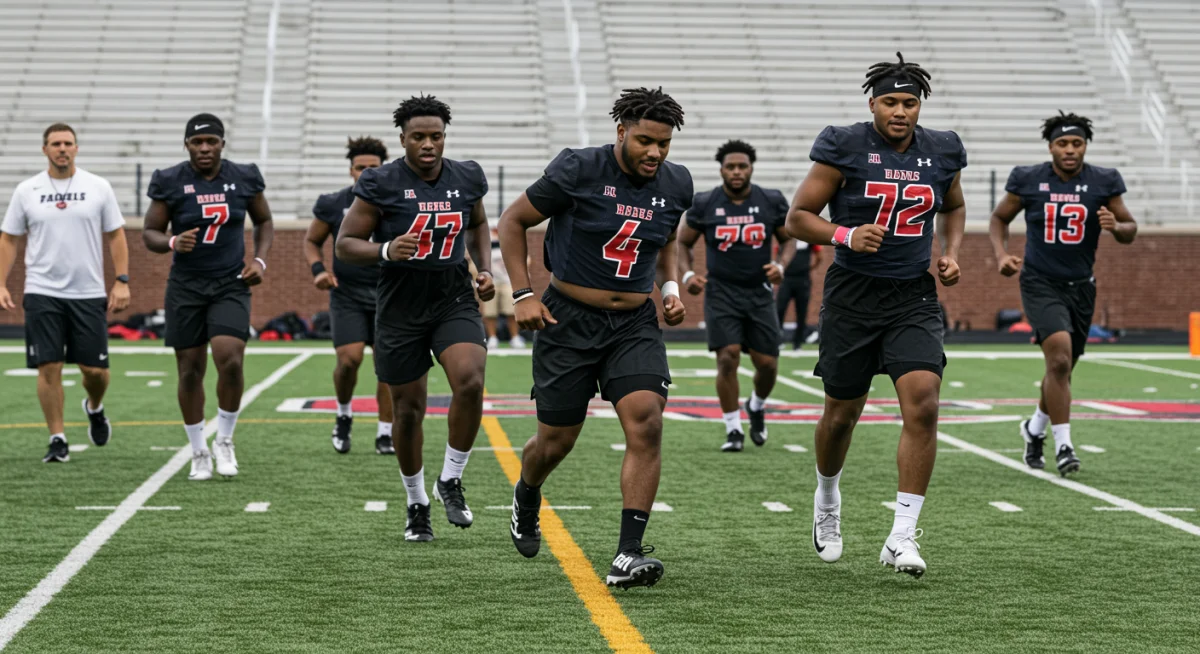
These sophisticated tools allow strength and conditioning staff to conduct comprehensive movement screens, identifying asymmetries or faulty mechanics. Corrective exercises and tailored training regimens are then implemented to improve movement quality, thereby reducing the strain on joints and soft tissues. This proactive approach is fundamental to safeguarding athletes throughout their demanding season.
Furthermore, load management plays a critical role. Coaches meticulously track training volume and intensity, ensuring athletes are adequately challenged without being pushed beyond their physiological limits. This delicate balance is achieved through careful monitoring of both external load (e.g., total yards run, weight lifted) and internal load (e.g., heart rate response, perceived exertion). By avoiding excessive fatigue, the risk of non-contact injuries, which often occur when an athlete is fatigued, is significantly reduced. These advanced strategies are central to effective College Football Strength & Conditioning.
Optimizing Peak Performance Through Personalized Training
The concept of a one-size-fits-all training program is obsolete in 2025. Modern College Football Strength & Conditioning is all about personalization. Each athlete is a unique biological entity with distinct strengths, weaknesses, and recovery needs. Tailoring training protocols to these individual characteristics is key to unlocking an athlete’s full potential and ensuring they perform at their peak when it matters most.
Personalized training extends beyond just individualizing exercises. It encompasses all aspects of an athlete’s regimen, from nutrition and hydration to mental preparation and recovery strategies. Coaches now act as holistic performance managers, overseeing every detail that contributes to an athlete’s readiness for competition.
AI-Driven Program Design and Adaptability
Artificial intelligence is transforming how training programs are designed and adapted. AI algorithms can process vast amounts of data—including historical performance, physiological responses, and even psychological profiles—to create dynamic, individualized training plans.
- Adaptive Workouts: AI adjusts daily workouts based on an athlete’s real-time readiness scores, ensuring optimal stimulus without overtraining.
- Predictive Analytics for Performance: AI models can forecast an athlete’s potential for specific performance gains based on their response to training.
- Nutritional Guidance: AI-powered platforms recommend personalized dietary plans tailored to an athlete’s metabolic needs, training demands, and recovery goals.
This level of customization ensures that every training session is precisely calibrated to elicit the desired physiological adaptations. If an athlete is showing signs of fatigue, the AI might recommend a lighter day or focus on recovery. Conversely, if they are performing exceptionally well, the program might subtly increase intensity to capitalize on their readiness. This constant feedback loop and adaptation are what allow for true peak performance optimization in College Football Strength & Conditioning.
The integration of AI also allows for a more efficient use of coaching resources. While human oversight remains crucial, AI can handle the complex data analysis and program adjustments, freeing up coaches to focus on technique, motivation, and direct athlete interaction. This synergy between human expertise and artificial intelligence creates an unparalleled training environment.
The Role of Nutrition and Recovery in 2025
No amount of advanced training can compensate for inadequate nutrition and recovery. In 2025, these pillars are recognized as equally critical components of College Football Strength & Conditioning. The understanding of how food fuels performance and how proper recovery accelerates adaptation has deepened significantly, leading to highly sophisticated and individualized approaches.
Nutrition is no longer just about calorie intake; it’s about micronutrient timing, gut health, and anti-inflammatory diets. Recovery has evolved beyond simple rest, incorporating advanced modalities designed to speed up physiological repair and reduce muscle soreness.
Precision Nutrition and Hydration Protocols
Athletes in 2025 benefit from highly personalized nutritional strategies that are continuously adjusted based on their training load, body composition goals, and even genetic profiles.
- Metabolic Testing: Determines an athlete’s unique metabolic rate and substrate utilization, allowing for tailored macronutrient ratios.
- Genetic Profiling: Informs dietary choices, identifying sensitivities or optimizing nutrient absorption based on individual genetic markers.
- Real-time Hydration Monitoring: Devices and protocols ensure athletes maintain optimal hydration levels throughout the day and during intense sessions.
- Supplementation Guided by Data: No more guesswork; supplements are recommended based on blood tests, training demands, and specific deficiencies.
The focus is on providing the right fuel at the right time, ensuring that muscles have the necessary resources for repair and growth, and that energy levels remain high. This precision nutrition supports both performance and long-term health, reducing the risk of illness and fatigue. Hydration, often overlooked, is meticulously managed, recognizing its profound impact on cognitive function, thermoregulation, and physical output.
Equally important are advanced recovery techniques. These include cryotherapy, hydrotherapy, percussive therapy, and specialized massage techniques, all aimed at reducing inflammation, improving blood flow, and accelerating tissue repair. Sleep hygiene protocols are also strictly adhered to, as quality sleep is recognized as the ultimate recovery tool. This comprehensive approach to nutrition and recovery ensures that athletes are always ready for their next challenge, making it a cornerstone of modern College Football Strength & Conditioning.
Mental Fortitude and Cognitive Training
While physical prowess is essential, the mental game is what often separates good athletes from great ones. In 2025, College Football Strength & Conditioning programs are increasingly incorporating mental fortitude and cognitive training into their holistic approach. This recognizes that optimal performance on the field requires not only a strong body but also a sharp, resilient mind.
Athletes are facing unprecedented pressures, both on and off the field. Developing mental toughness, focus, and the ability to perform under stress is just as crucial as physical strength and speed. This integrated approach prepares athletes for the mental demands of high-level competition.
Cognitive Skills Development and Stress Management
Modern training extends to the brain, enhancing reaction time, decision-making, and focus.
- Neuro-Cognitive Training: Utilizes specialized software and exercises to improve reaction time, peripheral vision, and decision-making under pressure.
- Biofeedback and Neurofeedback: Helps athletes learn to regulate physiological responses to stress, such as heart rate and brainwave activity.
- Mindfulness and Visualization: Techniques to improve focus, reduce anxiety, and mentally rehearse game scenarios for enhanced performance.
- Sports Psychology Integration: Coaches work closely with sports psychologists to address mental health, goal setting, and resilience.
By training the brain as rigorously as the body, athletes gain a significant competitive edge. Improved cognitive function translates directly to better on-field decision-making, faster processing of complex plays, and enhanced spatial awareness. Furthermore, stress management techniques equip athletes with tools to handle the high-pressure environment of college football, preventing burnout and promoting sustained performance.
The development of mental resilience also plays a crucial role in injury recovery. Athletes who possess strong mental fortitude are often better equipped to cope with the physical and emotional challenges of rehabilitation, accelerating their return to play. This holistic view of the athlete, encompassing both physical and mental well-being, is a defining characteristic of College Football Strength & Conditioning in 2025.
Technological Innovations in Training Equipment
The equipment used in College Football Strength & Conditioning facilities has undergone a remarkable transformation. Gone are the days of basic free weights and resistance machines. In 2025, training centers are equipped with state-of-the-art technology designed to provide precise resistance, real-time feedback, and adaptive training experiences. These innovations allow for more effective and safer workouts.
From smart weightlifting machines to advanced turf systems, technology is enhancing every aspect of physical preparation. This not only optimizes training but also makes it more engaging and measurable for athletes and coaches alike.
Smart Gym Equipment and Virtual Reality
The integration of smart technology into traditional gym equipment provides unparalleled data and control.
- Smart Weightlifting Machines: Automatically adjust resistance, track reps, sets, and power output, and provide immediate feedback on technique.
- Variable Resistance Systems: Utilize pneumatic or electromagnetic resistance to perfectly match an athlete’s strength curve, maximizing muscle activation and minimizing joint stress.
- Virtual Reality (VR) Training: Simulates game situations, allowing athletes to practice decision-making, spatial awareness, and reaction time in a low-impact, controlled environment.
- Advanced Turf and Flooring: Engineered to absorb impact, reduce joint stress, and improve traction, contributing to injury prevention during agility and plyometric drills.
These technological advancements allow for highly efficient and precise training. Smart weightlifting machines, for example, can detect fatigue and automatically reduce resistance, preventing overexertion and maintaining quality of movement. Variable resistance systems ensure that muscles are challenged throughout the entire range of motion, leading to more comprehensive strength gains.
VR training offers a unique opportunity to enhance cognitive and perceptual skills directly applicable to game situations, without the physical toll. This blend of physical and mental preparation, facilitated by cutting-edge equipment, is revolutionizing how college football players train. The constant evolution of technology ensures that College Football Strength & Conditioning remains at the forefront of athletic development, pushing the boundaries of what’s possible for collegiate athletes.
| Key Innovation | Brief Description |
|---|---|
| Data-Driven Training | Utilizes wearables and biometrics for personalized, real-time feedback on athlete performance and recovery. |
| AI-Powered Injury Prevention | Predictive analytics and biomechanical analysis identify and mitigate injury risks before they occur. |
| Precision Nutrition & Recovery | Individualized dietary plans and advanced recovery modalities optimize athlete fueling and repair. |
| Cognitive Training | Integrates neuro-cognitive exercises and sports psychology to enhance mental fortitude and decision-making. |
Frequently Asked Questions About College Football Strength & Conditioning in 2025
Technology now enables predictive analytics through AI, biomechanical analysis with 3D motion capture, and continuous biometric monitoring via wearables. These tools identify individual risk factors, assess movement patterns, and manage training loads proactively, significantly reducing the likelihood and severity of injuries for athletes.
Personalized training tailors every aspect of an athlete’s program—from workouts and nutrition to recovery—based on their unique physiological responses, genetic makeup, and performance data. This individualized approach ensures optimal stimulus, prevents overtraining, and maximizes specific adaptations, leading to superior on-field performance.
Nutrition and recovery are now highly individualized and data-driven. Precision nutrition considers metabolic testing and genetic profiling, while recovery incorporates advanced modalities like cryotherapy and sophisticated sleep tracking. The focus is on optimal fueling and accelerated tissue repair to maintain peak physical condition throughout the season.
Absolutely. Modern programs integrate neuro-cognitive training to improve reaction time, decision-making, and focus. Techniques like biofeedback, mindfulness, and sports psychology are also employed to enhance mental fortitude, manage stress, and build resilience, recognizing the critical link between mental and physical performance.
Training facilities now feature smart weightlifting machines that adapt resistance, variable resistance systems for optimal muscle loading, and virtual reality (VR) for cognitive and situational training. These tools provide real-time feedback, enhance safety, and create highly efficient, data-rich training environments for athletes.
Conclusion
The future of College Football Strength & Conditioning in 2025 is characterized by an unprecedented fusion of science, technology, and individualized care. From AI-driven analytics that predict injury risk to personalized nutrition plans and advanced cognitive training, every facet of athlete development is being optimized. This holistic approach not only aims to build stronger, faster, and more agile players but also prioritizes their long-term health and well-being. As these innovations continue to evolve, college football will see athletes performing at peak levels with greater resilience, pushing the boundaries of collegiate athletic achievement.