MLS Data Analytics: Optimize Player Performance by 10% in 2025

MLS teams are increasingly adopting sophisticated data analytics to precisely measure and optimize player performance, aiming for a 10% improvement by 2025 through personalized training, strategic recruitment, and injury prevention.
Wondering how Major League Soccer (MLS) teams are planning to revolutionize player performance? The answer lies in sophisticated data analytics. This MLS data analytics movement is not just a trend; it’s a strategic imperative, with clubs aiming for a remarkable 10% optimization in player performance by 2025. This insider’s guide will unveil the cutting-edge methods and technologies driving this transformation, offering a glimpse into the future of professional soccer.
The Evolution of Data in MLS: From Basic Stats to Predictive Models
The landscape of professional soccer has dramatically shifted, with MLS teams now at the forefront of embracing advanced data analytics. What once began with simple statistics like goals and assists has evolved into complex predictive modeling, offering unprecedented insights into player capabilities and potential. This evolution is fundamentally changing how teams scout, train, and strategize.
Early adoption of data in MLS was often limited to post-game analysis, focusing on historical performance. However, the modern approach integrates real-time data streams from training sessions and matches, providing a holistic view of player activity. This allows for immediate adjustments and more informed decision-making both on and off the pitch.
Key Data Sources and Collection Methods
To achieve a comprehensive understanding of player performance, MLS teams utilize a diverse array of data sources. These methods are constantly refined to ensure accuracy and relevance, providing the raw material for advanced analytical models.
- GPS Tracking: Worn by players during training and matches, GPS devices capture movement data, including distance covered, speed, acceleration, and deceleration.
- Wearable Biometrics: Heart rate monitors, sleep trackers, and other biometric sensors provide crucial physiological data to assess fatigue, recovery, and overall physical readiness.
- Video Analysis: High-definition cameras and specialized software track player actions, tactical positioning, and decision-making, offering qualitative insights alongside quantitative data.
The integration of these diverse data streams creates a rich tapestry of information. This enables analysts to move beyond surface-level observations and delve into the underlying factors influencing player performance, paving the way for targeted interventions and personalized development plans. The ultimate goal is to create a data-driven ecosystem where every decision is supported by robust evidence.
Strategic Recruitment: Identifying Talent with Data Analytics
Recruitment in MLS is no longer solely reliant on scout’s intuition or highlight reels. Data analytics has become an indispensable tool, allowing teams to identify talent that perfectly fits their tactical philosophy and budget constraints. This scientific approach minimizes risk and maximizes the potential for success in player acquisition.
Teams are now employing sophisticated algorithms to scour global databases, filtering thousands of players based on specific performance indicators and predictive metrics. This allows them to uncover hidden gems and make more informed decisions about potential signings, ensuring a better return on investment.
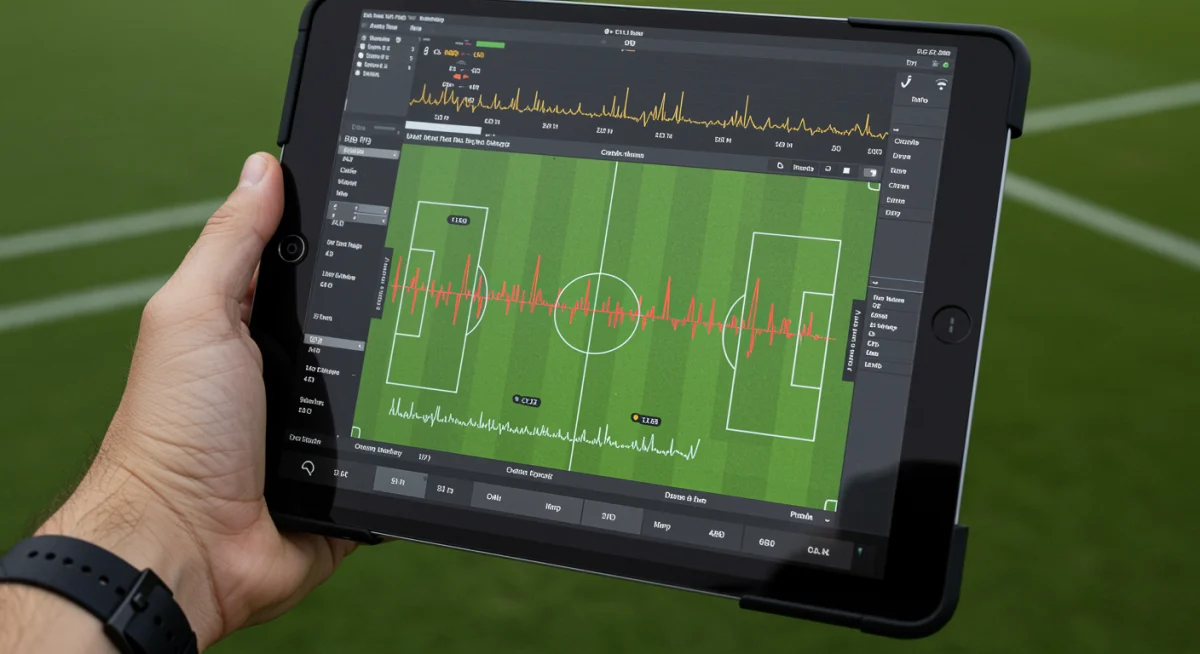
The process begins with defining the ideal player profile for a given position, considering factors such as age, playing style, physical attributes, and statistical output. Data analytics then helps to pinpoint players who match these criteria, even if they are playing in less-scouted leagues. This broadens the recruitment net significantly.
Predictive Modeling for Future Performance
Beyond current statistics, MLS clubs are investing heavily in predictive modeling. This involves analyzing historical data to forecast how a player might perform in a new environment, considering factors like league difficulty, team chemistry, and coaching style.
- Statistical Comparables: Identifying players with similar statistical profiles who have successfully transitioned to MLS can inform recruitment decisions.
- Growth Trajectory Analysis: Examining a player’s performance trend over several seasons to predict their future development and peak potential.
- Injury Risk Assessment: Utilizing medical and physical data to assess a player’s susceptibility to injuries, a crucial factor in long-term investment.
By leveraging these advanced analytical techniques, teams can make more strategic and cost-effective recruitment decisions. This not only improves team performance but also helps to build sustainable rosters, reducing the need for costly trial-and-error approaches. The data-driven approach to recruitment is becoming a competitive advantage in the increasingly globalized soccer market.
Optimizing Training Regimens: Personalized Pathways to Peak Performance
One of the most impactful applications of MLS data analytics is in the customization of training regimens. Generic training plans are becoming a relic of the past, replaced by highly individualized programs designed to address each player’s specific strengths, weaknesses, and physiological needs.
This personalized approach ensures that every training minute is optimized for maximum benefit, reducing the risk of overtraining or undertraining. Coaches can now monitor player load with unprecedented precision, tailoring sessions to promote recovery and prevent injuries, while simultaneously enhancing performance.
Data collected from GPS trackers, heart rate monitors, and other wearables provides real-time feedback on player exertion levels, movement patterns, and physiological responses. This information is then used to adjust training intensity, volume, and specific drills for each individual.
Adaptive Training Protocols
- Load Management: Analyzing total distance covered, high-speed running, and acceleration/deceleration metrics to prevent excessive fatigue and manage weekly training load.
- Skill-Specific Drills: Identifying areas for improvement in technical skills (e.g., passing accuracy, shooting power) through video analysis and then designing targeted drills.
- Strength and Conditioning Customization: Using biometric data to prescribe individualized strength and conditioning programs that address muscle imbalances and improve power output.
The integration of data analytics into training allows for a dynamic and responsive environment. Coaches can make immediate adjustments based on objective data, rather than relying solely on subjective observation. This iterative process of data collection, analysis, and adaptation is key to unlocking each player’s full potential and ensuring they are in optimal condition for match day.
Injury Prevention and Rehabilitation: A Data-Driven Approach
Injuries are an inherent part of professional sports, but MLS teams are using data analytics to significantly mitigate their occurrence and optimize rehabilitation processes. By identifying risk factors and monitoring recovery, clubs can keep their star players on the field longer, ultimately boosting team performance.
Preventative measures are now highly sophisticated, moving beyond general conditioning to pinpoint specific vulnerabilities in each player. This proactive approach minimizes downtime and protects valuable assets, demonstrating a clear return on investment for data-driven strategies.
The collection of extensive biometric and workload data allows medical and performance staff to flag potential issues before they escalate. For instance, sudden drops in sleep quality, increased heart rate variability, or consistent asymmetries in movement patterns can indicate heightened injury risk.
Predictive Injury Models and Recovery Protocols
- Workload Monitoring: Tracking acute-to-chronic workload ratios to identify periods of increased injury risk due to sudden spikes in training intensity or match minutes.
- Biomechanical Analysis: Using motion capture technology to identify faulty movement patterns that could predispose a player to specific injuries, and then implementing corrective exercises.
- Personalized Rehabilitation: Tailoring recovery programs based on individual physiological responses and real-time data on healing progression, ensuring safe and efficient return to play.
By leveraging these data-driven insights, MLS teams are transforming injury management from a reactive process into a highly proactive and personalized one. This not only reduces the financial burden of injuries but, more importantly, ensures that players are consistently available and performing at their best, contributing directly to the 10% performance optimization goal for 2025.
Tactical Innovation: Gaining a Competitive Edge with Analytics
Beyond individual player development, MLS data analytics is a powerful tool for tactical innovation. Coaches and analysts can dissect opponent strategies, identify weaknesses, and refine their own game plans with unprecedented precision. This analytical edge can be the difference between winning and losing in a highly competitive league.
The days of solely relying on coach’s eye are fading, replaced by a symbiotic relationship between human expertise and data-driven insights. This allows teams to create more effective strategies, adapt quickly during matches, and exploit tactical opportunities that might otherwise go unnoticed.
Video analysis software, combined with player tracking data, allows for the detailed breakdown of every possession, defensive setup, and set-piece routine. This granular level of analysis provides actionable insights into how to best approach upcoming opponents and optimize a team’s own playing style.
Advanced Tactical Metrics and Game Planning
- Possession Chain Analysis: Tracing the sequence of passes leading to shots or turnovers to understand offensive and defensive effectiveness.
- Pressing Intensity and Success: Quantifying the effectiveness of a team’s high press by analyzing ball recoveries in specific zones and time taken to win the ball back.
- Set-Piece Optimization: Using data to identify optimal delivery locations, player movements, and defensive vulnerabilities during corners and free kicks.
By systematically analyzing these tactical metrics, MLS teams can develop more nuanced game plans, anticipate opponent moves, and make real-time adjustments during matches. This data-driven approach to tactics provides a significant competitive advantage, contributing to the overall goal of enhanced performance across the league.
The Future Landscape: AI, Machine Learning, and Beyond
The journey of data analytics in MLS is far from over; it’s constantly evolving with advancements in technology. The integration of artificial intelligence (AI) and machine learning (ML) is set to unlock even deeper insights, propelling the league towards new frontiers of player performance optimization. These technologies promise to automate complex analyses and reveal patterns invisible to the human eye.
AI and ML algorithms can process vast amounts of data at speeds impossible for humans, identifying subtle correlations and predicting outcomes with greater accuracy. This will allow teams to move from reactive analysis to truly proactive and predictive strategies, further cementing the role of data in modern soccer.
One of the most exciting prospects is the development of AI-powered virtual assistants for coaches, offering real-time tactical suggestions and player performance alerts during games. This immediate feedback loop could revolutionize in-game decision-making.
Emerging Technologies and Their Impact
- AI-Powered Scouting: ML algorithms can analyze player footage and data to identify talent with specific attributes, even in obscure leagues, reducing human bias and increasing efficiency.
- Real-time Performance Prediction: AI models can predict player fatigue levels or potential for injury during a match, allowing coaches to make timely substitutions or adjustments.
- Automated Tactical Analysis: ML can automatically identify recurring tactical patterns in opponents, suggesting optimal strategies to exploit weaknesses or counter strengths.
The convergence of advanced data analytics, AI, and ML will undoubtedly reshape the future of MLS. These technologies are not just about marginal gains; they represent a fundamental shift in how player performance is understood, managed, and optimized. The 10% performance boost by 2025 is just the beginning, as MLS teams continue to embrace innovation and push the boundaries of what’s possible in professional soccer.
| Key Aspect | Impact on Performance |
|---|---|
| Strategic Recruitment | Identifies ideal talent, minimizing risk and maximizing ROI with predictive models. |
| Personalized Training | Optimizes individual development, prevents overtraining, and enhances specific skills. |
| Injury Prevention | Reduces injury rates through proactive monitoring and tailored rehabilitation protocols. |
| Tactical Advantage | Provides deep insights into opponent weaknesses and optimizes game strategies for competitive edge. |
Frequently Asked Questions about MLS Data Analytics
MLS teams collect player data through various methods, including GPS trackers worn during training and matches, wearable biometric sensors for physiological insights, and advanced video analysis software. These tools capture metrics like distance covered, speed, heart rate, and tactical positioning to provide comprehensive performance profiles.
The primary goal is to optimize player performance and team strategy. This includes identifying talent for recruitment, customizing training regimens, preventing injuries, and gaining tactical advantages over opponents. The ultimate aim is to achieve a significant performance improvement, with many teams targeting a 10% boost by 2025.
Data analytics aids in injury prevention by monitoring player workload, fatigue levels, and biomechanical patterns. By analyzing metrics like acute-to-chronic workload ratios and identifying movement asymmetries, medical staff can predict potential injury risks and implement proactive interventions and personalized recovery protocols.
Yes, data analytics can significantly enhance talent identification. By using algorithms to analyze vast global databases of player statistics and performance indicators, teams can filter potential recruits based on specific criteria, uncovering players who might be overlooked by traditional scouting methods and who fit the team’s tactical needs.
AI and Machine Learning are expected to revolutionize MLS analytics by automating complex data processing, identifying subtle patterns, and providing predictive insights. This will enable real-time tactical suggestions, more accurate injury risk assessments, and highly efficient, unbiased scouting, pushing player performance optimization to new levels.
Conclusion
The integration of advanced MLS data analytics is unequivocally transforming professional soccer. From strategic recruitment and personalized training to proactive injury prevention and tactical innovation, data is empowering teams to make smarter, more informed decisions. The ambitious goal of a 10% optimization in player performance by 2025 is not merely aspirational but a tangible objective being actively pursued through a relentless commitment to technological advancement and analytical rigor. As AI and machine learning continue to evolve, the impact of data in MLS will only grow, cementing its role as a cornerstone of competitive success.