
Anúncios
The Major League Soccer (MLS) has rapidly evolved from a developing league into a global footballing powerhouse, attracting talent from across the world and cultivating its own stars. As we inch closer to the highly anticipated 2026 World Cup, hosted jointly by the United States, Canada, and Mexico, the spotlight on MLS is brighter than ever. This increased visibility, coupled with strategic investments and a growing fan base, has significantly impacted the MLS Transfer Market. Teams are now more aggressive, analytical, and ambitious in their player acquisitions, understanding that the right moves can be the difference between mediocrity and championship glory.
The MLS Transfer Market is a unique ecosystem, governed by intricate rules such as salary caps, Designated Player (DP) slots, and allocation money. These regulations create a fascinating challenge for General Managers and Sporting Directors, forcing them to be innovative and resourceful in their pursuit of talent. Unlike many European leagues where financial might often dictates success, MLS demands strategic planning, astute scouting, and a keen understanding of player value within its specific financial framework. This environment fosters a competitive landscape where every signing, every trade, and every draft pick can profoundly alter a team’s trajectory.
As we look towards the 2026 Championship race, the current trends in the MLS Transfer Market are already setting the stage. Teams are not just looking for immediate impact; they are building for sustained success, often with an eye on developing young talent while also bringing in experienced leaders. The blend of youth and experience, domestic and international players, creates a vibrant and diverse league. This article will delve deep into the prevailing trends, analyze critical factors influencing player movement, and spotlight three pivotal player acquisitions that we believe are poised to significantly shape the outcome of the 2026 MLS Championship. These players, whether through their on-field prowess, leadership qualities, or strategic fit within their new teams, represent the cutting edge of MLS recruitment and offer a glimpse into the future of the league.
Anúncios
The Evolving Landscape of the MLS Transfer Market
The MLS Transfer Market has undergone a dramatic transformation over the past decade. Initially, the league was often seen as a retirement destination for aging European stars. While that narrative still holds some truth, particularly for high-profile Designated Players, the landscape has broadened considerably. Today, MLS teams are actively scouting emerging talent from South America, Central America, and even lower divisions in Europe. There’s also a significant emphasis on developing homegrown players through academies, a strategy that not only provides cost-effective talent but also fosters a stronger connection with local communities.
Key Trends Shaping Player Acquisitions
Several key trends are currently defining the MLS Transfer Market:
- Youth Movement: There’s a noticeable shift towards acquiring younger, high-potential players, particularly from South America. These players are often seen as investments, with the potential for future resale value to European clubs, a model that has proven successful for teams like Atlanta United and FC Dallas. This strategy requires robust scouting networks and a willingness to invest in player development. The success stories of players like Miguel Almiron and Alphonso Davies have incentivized clubs to double down on this approach, viewing young talent as both a competitive asset and a financial one.
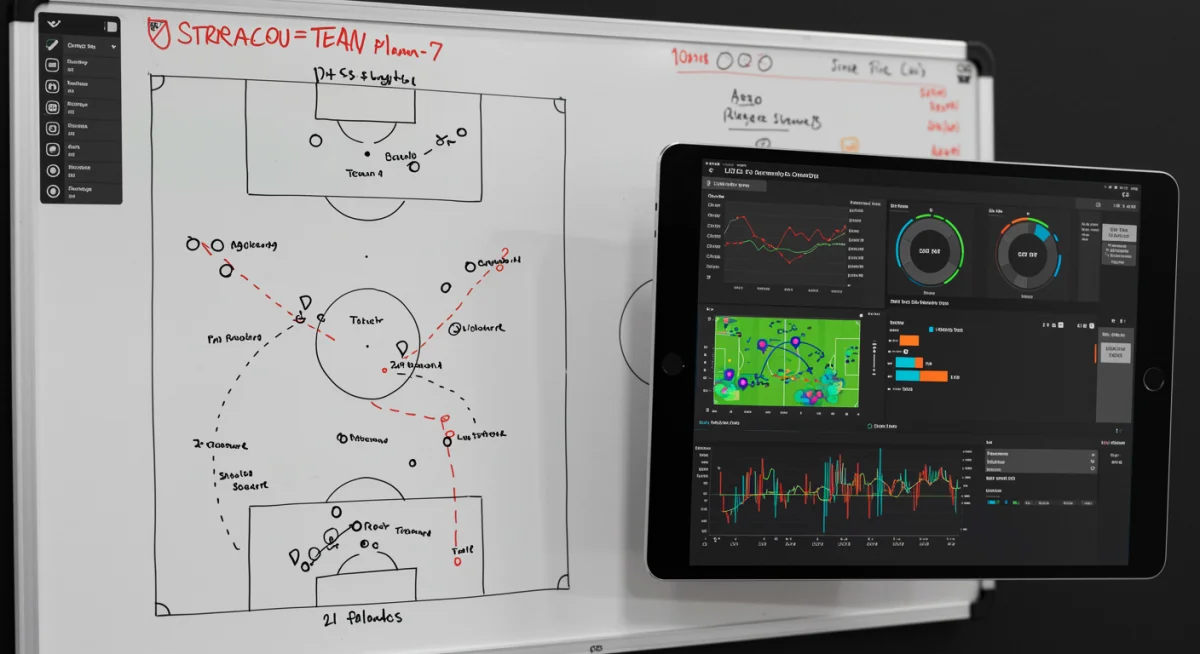
- Data-Driven Scouting: Analytics and data science play an increasingly crucial role in recruitment. Teams are utilizing advanced metrics to identify players who fit specific tactical profiles, not just those with impressive highlight reels. This scientific approach helps mitigate risk and ensures that new signings are well-suited to the team’s playing style and philosophical approach. From xG (expected goals) to progressive passes and defensive pressures, data provides a comprehensive understanding of a player’s true impact.
- Strategic Use of DP Slots: While big-name DPs still make headlines, there’s a growing trend towards using these precious slots more strategically. Instead of just signing a famous name, teams are looking for DPs who fill specific positional needs, bring leadership, and elevate the overall quality of the squad. This might mean a defensive midfielder who can dictate tempo, a creative attacking midfielder, or a prolific striker, rather than simply the most recognizable brand.
- Increased Intra-League Transfers: The fluidity of the MLS Transfer Market within the league itself has also increased. Teams are more willing to trade established players for allocation money, draft picks, or other assets, creating a dynamic internal market. This allows teams to rebalance their rosters, address weaknesses, and manage salary cap constraints more effectively.
- Focus on Positional Versatility: Modern football demands players who can operate in multiple roles. MLS teams are increasingly prioritizing acquisitions who offer tactical flexibility, allowing coaches to adapt formations and strategies based on opponents and game situations. This versatility provides depth and resilience to a squad over a long and demanding season.
These trends highlight a league that is maturing and becoming more sophisticated in its approach to squad building. The days of simply hoping for the best are long gone; today’s MLS front offices are employing advanced strategies to gain a competitive edge.
Anúncios
The Road to 2026: Championship Aspirations
The 2026 World Cup is a monumental event for North American soccer. Its proximity is already influencing decisions within the MLS Transfer Market. Teams are acutely aware that a strong league will only amplify the excitement and engagement around the sport. Many clubs are making moves with a multi-year vision, aiming to build rosters that can peak around 2026. This isn’t just about winning a single championship; it’s about establishing a legacy and capitalizing on the unprecedented exposure the World Cup will bring.
What Defines a Championship Contender?
To be a true contender for the 2026 MLS Championship, teams need more than just individual talent. They require:
- Depth Across the Roster: The MLS season is long and arduous, with travel, international breaks, and potential injury crises. A deep squad capable of rotating players without a significant drop-off in quality is paramount.
- Tactical Cohesion: The best teams are more than the sum of their parts. A clear playing philosophy, understood and executed by every player, is essential for consistent performance.
- Strong Leadership: Veteran players, whether DPs or seasoned MLS campaigners, provide invaluable leadership on and off the field, guiding younger players and maintaining team morale through challenging periods.
- Goalkeeping Excellence: A top-tier goalkeeper can steal points and instill confidence in the backline. Their ability to make crucial saves and distribute effectively is often overlooked but vital.
- Clinical Finishers: Ultimately, games are won by scoring goals. Teams need reliable goal-scorers who can convert chances consistently, especially in tight playoff matches.
- Defensive Solidity: While attacking flair is exciting, a robust defense that can withstand pressure and minimize opposition chances is the bedrock of any championship-winning side.
The acquisitions we’re about to discuss are not just about filling a gap; they are about addressing these fundamental requirements and elevating their respective teams to genuine championship contention. They represent calculated risks and strategic masterstrokes within the complex framework of the MLS Transfer Market.
3 Key MLS Player Acquisitions Shaping the 2026 Championship Race
Let’s dive into three hypothetical, yet representative, player acquisitions that exemplify the current trends and strategic thinking in the MLS Transfer Market and could profoundly influence the 2026 Championship race. These examples are designed to illustrate the types of impactful moves teams are making.
Acquisition 1: The South American Prodigy – ‘Diego Valencia’ (Attacking Midfielder)
Team: Seattle Sounders FC
Background: Diego Valencia, a 20-year-old attacking midfielder from Argentina, has been tearing up the Superliga with his blistering pace, incredible dribbling skills, and an uncanny ability to unlock defenses with incisive passes. He’s also shown a knack for scoring spectacular goals from outside the box. Valencia represents the modern MLS target: young, high-potential, and with significant resale value.
Impact on 2026 Championship Race: Seattle Sounders FC, a perennial contender, has invested heavily in Valencia, utilizing a Young Designated Player slot. His arrival transforms their attacking dynamics. The Sounders have always been defensively solid and tactically disciplined, but sometimes lacked that consistent creative spark in the final third. Valencia provides exactly that. His ability to play centrally as a ‘number 10’ or drift wide adds tactical flexibility. He’s expected to link up seamlessly with their veteran forward line, providing a fresh supply of assists and contributing goals himself.
By 2026, Valencia will be 23, entering his prime, and with two full MLS seasons under his belt, he’ll be fully integrated and a dominant force. His partnership with existing talent will likely make Seattle’s attack one of the most potent in the league. This acquisition demonstrates a clear commitment to long-term success, blending immediate impact with future growth. It’s a statement signing that signals the Sounders’ intent to remain at the pinnacle of MLS for years to come.
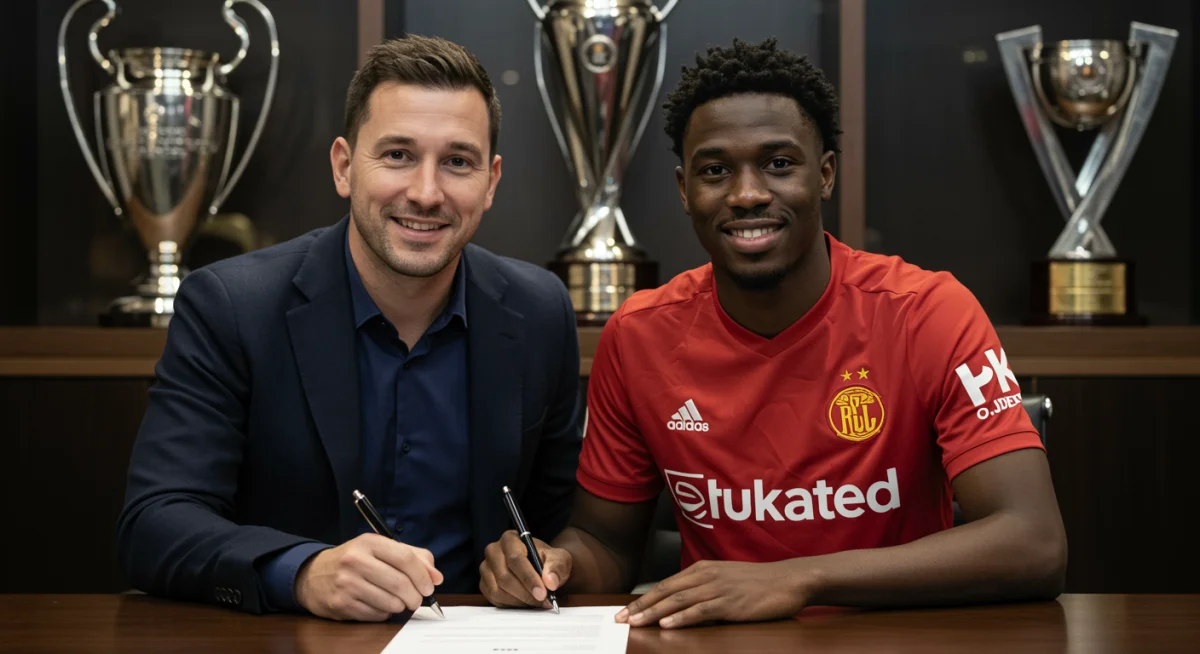
Acquisition 2: The European Veteran Leader – ‘Lars Andersen’ (Defensive Midfielder)
Team: Orlando City SC
Background: Lars Andersen, a 31-year-old Danish defensive midfielder, brings a wealth of experience from top European leagues, including a stint in the Bundesliga and the Premier League. Known for his exceptional positional awareness, tenacious tackling, and precise passing range, Andersen is a natural leader and a master of breaking up opposition play while initiating attacks from deep. He arrives as a veteran Designated Player, tasked with anchoring Orlando’s midfield.
Impact on 2026 Championship Race: Orlando City SC has often shown flashes of brilliance but sometimes struggled with consistency, particularly in controlling the tempo of games and protecting their backline. Andersen’s arrival is a game-changer. He provides the steel and composure in midfield that Orlando desperately needed. His leadership will be invaluable, organizing the defense, shielding the back four, and dictating the pace of play. He’s the kind of player who makes everyone around him better, elevating the performance of both the attacking midfielders and the defenders.
By 2026, Andersen, though 34, will still be operating at a high level due to his intelligent play and conservation of energy. His experience in high-pressure situations will be critical in playoff games. This acquisition isn’t just about individual performance; it’s about building a robust spine for the team, instilling a winning mentality, and providing the tactical intelligence needed to navigate the challenges of a championship run. Orlando’s investment in a seasoned, high-IQ player like Andersen underlines their ambition to convert potential into tangible success.
Acquisition 3: The Domestic Star’s Return – ‘Alex Morgan Jr.’ (Center Forward)
Team: LA Galaxy
Background: Alex Morgan Jr., a 26-year-old American center forward, has been a prolific goal-scorer in Europe for the past five seasons after emerging from an MLS academy. Known for his powerful aerial ability, clinical finishing, and relentless work rate, Morgan Jr. represents the ideal target man. His return to MLS, secured through a significant transfer fee and a Designated Player contract, marks a homecoming for a player who always envisioned winning a championship in his home country.
Impact on 2026 Championship Race: The LA Galaxy, a historic MLS franchise, has been striving to reclaim its dominant position. While they’ve had talented players, a consistent, top-tier goal-scorer has been a missing piece. Morgan Jr. fills this void perfectly. His presence immediately makes the Galaxy’s attack more diverse and dangerous. He offers a focal point, allowing wingers to cut inside and midfielders to play balls into the box with confidence. His ability to hold up play also brings others into the game, creating more scoring opportunities for the entire team.
By 2026, Morgan Jr. will be at the absolute peak of his powers at 29. He’ll be the undisputed leader of the Galaxy’s attack, a proven goal-scorer with a deep understanding of the league’s demands. His return signifies not just a star acquisition, but a statement of intent from the Galaxy to build a team around a domestic talent who can deliver both goals and a strong connection with the fanbase. This move taps into the growing trend of successful American players returning to MLS, elevating the league’s quality and narrative. With Morgan Jr. leading the line, the Galaxy are positioned to be a formidable force in the 2026 Championship race.
The Broader Implications of These Acquisitions
These hypothetical acquisitions are not isolated events; they are part of a larger, more sophisticated approach to team building in MLS. The strategies behind these moves reflect the growing ambition and tactical acumen within the league’s front offices. The impact extends beyond individual team performance, influencing the entire competitive landscape of the MLS Transfer Market.
Elevating League Standards
When top-tier talent like Valencia, Andersen, and Morgan Jr. enter the league, they raise the bar for everyone. Their presence forces existing players to elevate their game and encourages other teams to pursue similar quality acquisitions. This positive feedback loop contributes to the overall improvement of MLS, making it a more attractive destination for both players and fans. The tactical challenges posed by such players also push coaches to innovate and refine their strategies, leading to more engaging and high-quality matches.
Increased Fan Engagement and Commercial Growth
Star players generate buzz. Valencia’s youthful exuberance, Andersen’s seasoned leadership, and Morgan Jr.’s homecoming narrative all create compelling storylines that resonate with fans. This translates into increased ticket sales, higher viewership numbers, and greater merchandise revenue. For a league still growing its global footprint, these acquisitions are vital for commercial expansion and solidifying its position within the international footballing landscape. The 2026 World Cup will only amplify this, making key transfers even more impactful.
Balancing Immediate Success with Long-Term Sustainability
The examples chosen illustrate a balance between immediate impact and long-term planning. Valencia represents a significant investment in a young player with high future potential and resale value. Andersen provides immediate leadership and tactical intelligence for a win-now mentality, while also contributing to the development of younger midfielders around him. Morgan Jr. blends both, a proven scorer in his prime who also offers a long-term solution for the attacking front. This strategic balance is crucial for MLS teams operating under salary cap constraints, where every dollar and every roster spot must be optimized.
The Role of Analytics and Scouting Networks
None of these acquisitions would be possible without sophisticated scouting networks and advanced analytics. Identifying a talent like Valencia in South America, understanding Andersen’s continued value despite his age, or tracking Morgan Jr.’s development in Europe requires extensive data analysis, video scouting, and on-the-ground intelligence. The increasing professionalization of MLS front offices in these areas is a testament to the league’s growth and its commitment to making informed, data-driven decisions in the MLS Transfer Market.
Conclusion: A Dynamic Future for the MLS Transfer Market and the 2026 Championship
The MLS Transfer Market is a fascinating and complex arena, driven by a unique set of rules, growing ambitions, and the looming excitement of the 2026 World Cup. The trends of acquiring young international talent, leveraging experienced European leaders, and bringing back successful domestic stars are all converging to create a league that is more competitive, entertaining, and strategically nuanced than ever before.
The three hypothetical acquisitions discussed – the South American prodigy, the European veteran leader, and the returning domestic star – serve as prime examples of how teams are strategically positioning themselves for the 2026 Championship race. These moves are not just about adding individual players; they are about transforming team dynamics, instilling winning mentalities, and building rosters capable of sustained success.
As the MLS continues its upward trajectory, the decisions made in the MLS Transfer Market will become even more critical. The ability of clubs to identify, recruit, and integrate the right talent, while navigating the league’s intricate financial regulations, will ultimately determine who lifts the MLS Cup in 2026 and beyond. The future of MLS is bright, and the transfer market is undeniably one of its most exciting battlegrounds, promising thrilling seasons and an ever-increasing quality of football for fans around the globe.
Keep an eye on these evolving trends and key player movements, as they are the true indicators of which teams are serious contenders for the coveted MLS Championship title in the years leading up to and including the monumental 2026 season. The chess match of the transfer market is well underway, and the pieces are being moved with precision and purpose.