
Anúncios
MLS Youth Development: Rookies Redefining Rosters for 2026
Major League Soccer (MLS) has been on a remarkable trajectory of growth and evolution since its inception. While the league initially relied heavily on international stars to build its brand, a quiet revolution has been brewing beneath the surface: the rise of robust MLS youth development programs. This strategic shift is not just about nurturing talent; it’s about fundamentally altering the landscape of American professional soccer. The data speaks volumes: an astonishing 15% of current MLS rookies are direct products of these burgeoning academies, a statistic that underscores a profound change in how teams are built and how success is envisioned for the future, especially with the 2026 World Cup on the horizon.
The commitment to MLS youth development is more than a philanthropic endeavor; it’s a strategic imperative. For years, American soccer faced the challenge of competing with established European and South American leagues for top-tier talent. The solution, increasingly evident, lies in cultivating talent domestically. By investing in academies, MLS clubs are creating a sustainable pipeline of skilled players, fostering a unique footballing identity, and ultimately, building a more competitive and exciting league. This article delves into the intricacies of this youth movement, exploring its origins, its current impact, and its projected influence on MLS team rosters by 2026.
The Genesis of MLS Youth Development: A Strategic Vision
The journey towards a strong MLS youth development system wasn’t an overnight phenomenon. It began with a long-term vision to elevate the quality of American soccer and ensure a steady stream of homegrown talent. Historically, American youth soccer was fragmented, often pay-to-play, and lacked a clear professional pathway. MLS recognized this critical gap and began to mandate that all clubs establish and fund their own academies.
Anúncios
This mandate transformed the landscape. Instead of relying solely on college soccer or international scouting, clubs started to identify and nurture talent from a much younger age. The goal was not just to produce professional players, but to instill a specific footballing philosophy, technical proficiency, and tactical understanding from the ground up. This foundational work is now bearing fruit, as evidenced by the significant number of academy graduates making their mark in the senior league.
Early pioneers in MLS youth development, such as FC Dallas and the LA Galaxy, demonstrated the immense potential of these programs. Their academies consistently produced players who not only excelled in MLS but also attracted interest from top European clubs, validating the investment and inspiring other teams to follow suit. The success stories of players like Weston McKennie, Ricardo Pepi, and Tyler Adams, all of whom honed their skills in MLS academies before moving to Europe, serve as powerful testaments to the efficacy of this approach.
Key Pillars of Effective MLS Youth Development
Several critical components underpin successful MLS youth development programs:
Anúncios
- Free-to-Play Model: A fundamental shift from the traditional pay-to-play model, ensuring that talent, not socioeconomic status, dictates access to elite training. This widens the talent pool significantly.
- Holistic Player Development: Beyond technical and tactical training, academies focus on physical conditioning, nutrition, sports psychology, and even academic support, preparing young athletes for the rigors of professional life.
- Dedicated Coaching Staff: Highly qualified coaches, often with international experience and specific licenses, are crucial for guiding young players through various developmental stages.
- Integrated Pathways: A clear pathway from the academy to the first team, often through MLS NEXT Pro teams, allows players to experience professional environments and compete at higher levels before making the jump to MLS.
- Scouting Networks: Extensive scouting networks identify promising young players across vast geographical areas, ensuring that no talent goes unnoticed.
The Impact of Homegrown Talent: 15% of Rookies and Beyond
The statistic that 15% of current MLS rookies are academy graduates is not just a number; it represents a paradigm shift. These players are not merely filling roster spots; they are actively competing for starting positions, demonstrating a level of maturity, tactical awareness, and technical skill that belies their age. This influx of homegrown talent has several profound implications for the league:
Enhancing Competitiveness and Depth
Homegrown players bring a deep understanding of the club’s philosophy and culture, having been immersed in it for years. This familiarity translates into quicker integration into the senior squad and a more cohesive team unit. Furthermore, their presence significantly enhances squad depth, providing coaches with more options and reducing reliance on expensive external signings for every position. This is particularly crucial in a league with demanding travel schedules and fixture congestion.
Financial Prudence and Sustainability
Developing talent internally is significantly more cost-effective than acquiring established players through transfers or free agency. This financial prudence allows clubs to allocate resources more strategically, whether it’s investing further in MLS youth development infrastructure, securing higher-profile Designated Players, or improving stadium facilities. The ability to sell academy graduates to European clubs for substantial transfer fees also provides a valuable revenue stream, creating a sustainable economic model for MLS teams.
Building Local Identity and Fan Engagement
Fans inherently connect with players who have come through their club’s system. There’s a special bond and pride associated with watching a local talent rise through the ranks to become a first-team star. This fosters stronger fan engagement, creates a deeper sense of community around the club, and cultivates a loyal fan base that identifies with the team on a more personal level. These homegrown heroes become symbols of the club’s commitment to its community and its future.
Redefining Team Rosters for 2026: A Look Ahead
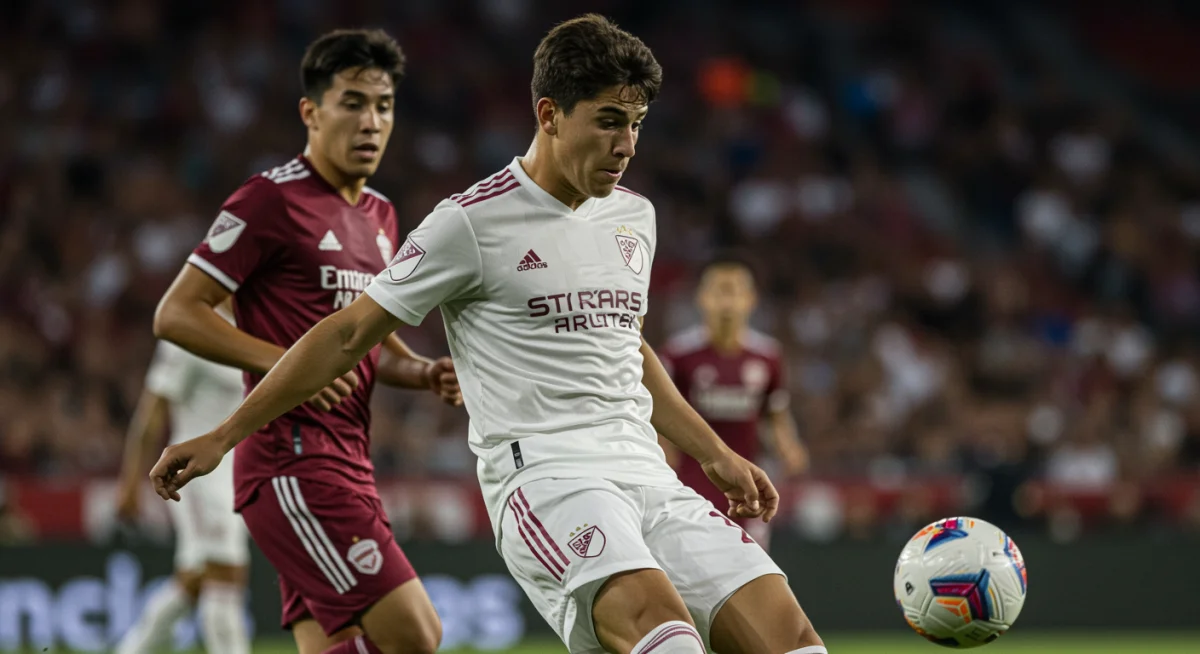
The year 2026 looms large on the horizon for American soccer, not just because of the FIFA World Cup co-hosted by the United States, Canada, and Mexico, but also as a critical benchmark for the evolution of MLS. The current trend of strong MLS youth development suggests that by 2026, team rosters will look significantly different than they do today.
Increased Homegrown Representation
The 15% rookie figure is likely just the beginning. As academies mature and the quality of coaching and facilities continues to improve, we can expect an even higher percentage of homegrown players to feature prominently on MLS rosters. This will lead to a more youthful and dynamic league, with players who are technically proficient and tactically astute from a young age.
Tactical Evolution and Playing Styles
With a greater emphasis on developing players from within, clubs have the opportunity to implement consistent tactical philosophies across all age groups. This means that by the time players reach the first team, they are already well-versed in the club’s preferred style of play, leading to more fluid and coherent team performances. This tactical evolution could see MLS teams adopt more sophisticated and diverse playing styles, moving beyond a perceived reliance on physicality.
A Stronger U.S. National Team Pool
Perhaps one of the most significant long-term benefits of robust MLS youth development is its direct impact on the U.S. Men’s National Team (USMNT). A larger pool of high-quality, professional-ready players emerging from MLS academies provides the national team coach with more options and depth. By 2026, it is highly probable that a substantial portion of the USMNT squad will have come through MLS youth systems, having benefited from consistent, high-level training and competitive matches from a young age. This synergy between MLS and the national team is vital for sustained international success.
Challenges and Opportunities in Sustaining Youth Development
While the progress in MLS youth development is undeniable, challenges remain. Sustaining this growth and maximizing its potential requires continuous effort and adaptation.
Retaining Top Talent
One of the persistent challenges is retaining top talent. As MLS academies produce increasingly skilled players, European clubs often come calling with lucrative offers. While selling players can be a revenue generator, striking the right balance between player development, financial gain, and maintaining a competitive squad is crucial. MLS must continue to enhance its financial attractiveness and playing quality to encourage more young stars to stay longer in the league.
Ensuring Consistent Quality Across All Academies
While some MLS academies are world-class, there can be disparities in resources, coaching quality, and player pathways across the league. Ensuring a consistent standard of excellence across all MLS youth development programs is vital to collectively elevate the league’s talent pool. This requires ongoing investment, sharing of best practices, and potentially, league-wide standards for academy operations.
Integrating Technology and Analytics
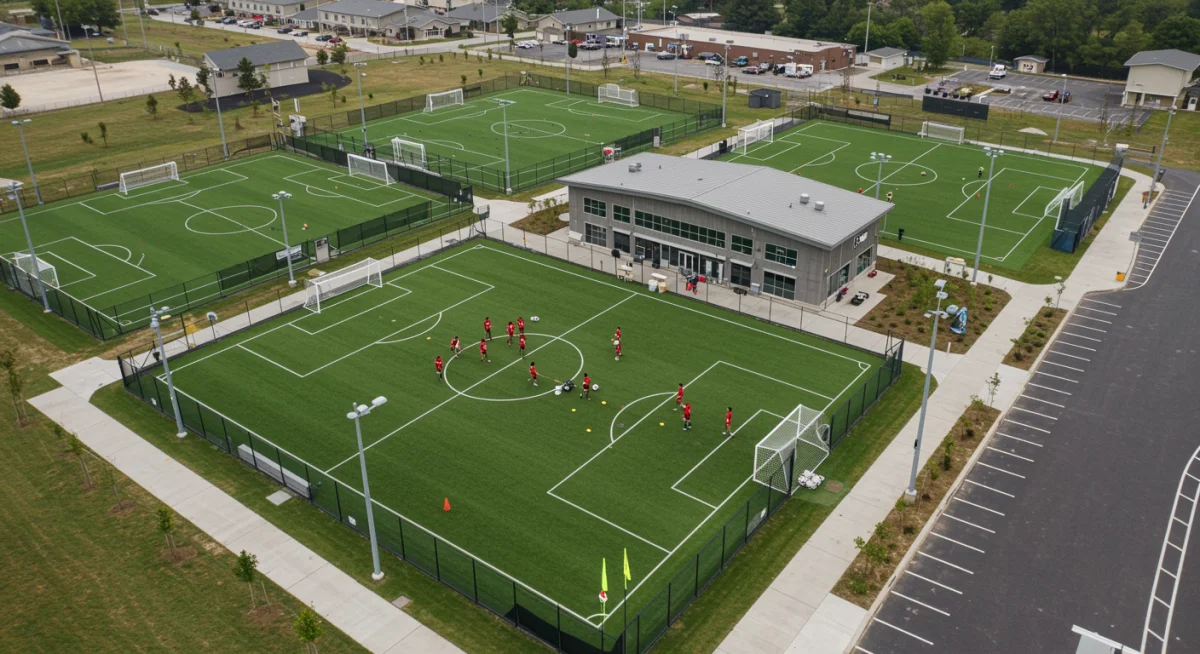
The modern game is increasingly driven by data and technology. Integrating advanced analytics, sports science, and cutting-edge training methodologies into MLS youth development programs will be essential to keep pace with global standards. This includes everything from GPS tracking for performance analysis to virtual reality training for tactical understanding.
Success Stories: A Glimpse into the Future
The impact of MLS youth development is best illustrated through the success stories of players who have transitioned from academy hopefuls to MLS stars. Take, for example, players like Alphonso Davies, who rose through the Vancouver Whitecaps academy before his blockbuster transfer to Bayern Munich, or Brenden Aaronson, a product of the Philadelphia Union academy now shining in Europe. These are not isolated incidents but rather examples of a growing trend.
Within MLS, countless academy graduates are now integral to their teams. Players like Cade Cowell (San Jose Earthquakes), Gianluca Busio (Sporting Kansas City before moving to Italy), and George Bello (Atlanta United before moving to Europe) exemplify the quality and potential being unearthed. Their journeys highlight the effectiveness of the structured pathway provided by MLS academies, from youth teams to MLS NEXT Pro and ultimately to the senior squad.
These success stories serve as powerful motivators for the next generation of aspiring footballers. They demonstrate that a viable, professional pathway exists within the United States, eliminating the need for young American talents to seek opportunities abroad at a very young age, which can often be disruptive to their holistic development. The growth of MLS youth development has created an ecosystem where young players can thrive, learn, and compete at a high level without leaving their home country prematurely.
The MLS NEXT Pro League: A Crucial Stepping Stone
The establishment of the MLS NEXT Pro league has been a game-changer for MLS youth development. This professional league, primarily composed of reserve teams for MLS clubs, provides a vital bridge between academy soccer and the intense demands of MLS. It offers young players consistent competitive minutes against professional opponents, allowing them to hone their skills, adapt to the physical and mental rigors of professional play, and gain valuable experience without the immense pressure of immediate first-team expectations.
Before MLS NEXT Pro, the jump from academy to MLS was often too significant for many promising talents. Players would either languish on the bench or be loaned out to lower-tier leagues, often without the same level of coaching or integration into the parent club’s philosophy. MLS NEXT Pro has standardized this pathway, ensuring that young players receive high-quality competitive exposure within a controlled environment, making their transition to the senior MLS squad much smoother and more effective. This league is directly contributing to the increasing number of academy graduates ready to make an immediate impact as rookies.
Looking Towards 2026 and Beyond
The 2026 FIFA World Cup will undoubtedly shine a global spotlight on American soccer. The success of the USMNT, and by extension, the league, will be intricately linked to the continued strength of MLS youth development. The investment made today in academies, coaching, and infrastructure will pay dividends on the world stage. Imagine a USMNT squad in 2026 featuring a core of players who are not only academy graduates but have also spent significant time developing within MLS clubs, bringing a unique understanding of the domestic game and a shared footballing culture.
Beyond the World Cup, the long-term vision for MLS is to establish itself as a truly global footballing power. This ambition is unattainable without a robust and self-sustaining talent pipeline. The continued growth of MLS youth development is the cornerstone of this vision, ensuring that the league can consistently produce world-class players, compete with the best leagues globally, and provide an exciting, high-quality product for its growing fanbase.
The commitment to nurturing young talent is transforming MLS from a league that once imported most of its stars into one that actively produces them. The 15% rookie statistic is a powerful indicator of this shift, signaling a bright future where homegrown players are not just a supplement but the very foundation of MLS success. As 2026 approaches, the impact of these youth development programs will only become more pronounced, redefining team rosters and shaping the exciting future of soccer in North America.