
Anúncios
The transfer portal’s ongoing evolution fundamentally alters how college football programs approach roster management, necessitating adaptive strategies for player recruitment and retention to maintain competitive viability in the 2025 season and beyond.
The landscape of college football is in a constant state of flux, and at the heart of this transformation lies the Transfer Portal’s Impact on College Football Rosters: A 2025 Analysis of Player Movement and Team Building. This dynamic mechanism has reshaped how programs recruit, retain, and develop talent, making every offseason a strategic chess match for coaches and athletic directors.
Understanding the Transfer Portal’s Evolution
The transfer portal, since its inception, has fundamentally altered the collegiate athletic experience, particularly in college football. What began as a mechanism for players to explore options with more transparency has evolved into a critical component of roster construction. For the 2025 season, its influence is expected to be even more profound, with experienced players seeking new opportunities and programs actively recruiting to fill immediate needs.
Anúncios
The initial intent of the portal was to empower athletes, giving them more control over their collegiate careers. However, its rapid adoption by both players and coaches has created a fast-paced, high-stakes environment. Teams must now navigate a dual recruitment process: attracting high school prospects while simultaneously evaluating and pursuing proven talent from other institutions. This requires a sophisticated understanding of player needs and program fit.
Key Milestones in Portal Development
- Initial Implementation: Introduced in October 2018, allowing athletes to declare intent to transfer without losing their scholarship.
- One-Time Transfer Rule: Enacted in April 2021, granting immediate eligibility for undergraduate transfers once without penalty, significantly increasing portal activity.
- NIL’s Influence: The advent of Name, Image, and Likeness (NIL) deals has further complicated matters, making financial incentives a factor in transfer decisions.
The evolution of the portal reflects a broader shift in college sports, emphasizing player agency and market dynamics. Programs that fail to adapt their strategies risk being left behind, as competitors leverage the portal to quickly bolster their rosters. This constant movement necessitates year-round scouting and relationship building, extending far beyond traditional recruiting cycles.
As we look towards 2025, the portal’s mechanisms are likely to be refined further, potentially with new regulations aimed at balancing player freedom with institutional stability. Regardless of future adjustments, its core function as a vehicle for significant player movement will remain, demanding continuous adaptation from all stakeholders in college football.
Anúncios
Strategic Roster Building in the Portal Era
Building a competitive college football roster in 2025 is less about simply recruiting top high school talent and more about a multi-faceted approach that integrates the transfer portal seamlessly. Coaches now operate as general managers, constantly assessing their team’s strengths and weaknesses, and strategically targeting players who can provide immediate impact or fill critical gaps.
This strategic shift requires a deep understanding of team chemistry and culture. While the portal offers a quick fix for talent deficiencies, integrating new players effectively is paramount. Programs must have robust onboarding processes to ensure transfers not only fit athletically but also culturally, fostering a cohesive unit rather than a collection of individual talents.
Balancing High School Recruitment with Portal Acquisitions
- Core Development: Prioritizing high school recruits for long-term program stability and cultural foundation.
- Targeted Additions: Utilizing the portal to address specific positional needs or to acquire experienced leadership.
- Scholarship Management: Meticulously tracking scholarship numbers, understanding that portal departures create openings while arrivals consume them.
The art of roster construction now involves a delicate balance. Over-reliance on the portal can lead to a transient roster with limited continuity, while ignoring it might leave a team unable to compete with programs that are actively upgrading. The most successful teams will likely be those that master the synergy between traditional recruiting and portal utilization, creating a sustainable model for success.
Furthermore, the evaluation process for portal players differs significantly from high school scouting. Coaches look for proven college production, adaptability, and an understanding of what a player is seeking in a new program. This requires extensive film study, background checks, and direct communication to ensure a good fit, both on and off the field.
Impact on Player Movement and Eligibility in 2025
The sheer volume of player movement facilitated by the transfer portal is one of its most significant impacts, and this trend is expected to continue shaping college football in 2025. Players are increasingly willing to explore new opportunities, whether for more playing time, a better academic fit, or increased NIL potential. This fluidity has made predicting rosters from year to year a challenging endeavor.
Eligibility rules, particularly the one-time transfer exception, have fueled this movement. For undergraduates, the ability to transfer once and play immediately has removed a major barrier, encouraging more players to test the waters. Graduate transfers have always had more flexibility, but the undergraduate rule has democratized the process for a wider range of athletes.
Factors Driving Player Transfers
- Playing Time: The primary motivator for many, seeking a clear path to the field.
- Coaching Changes: A significant trigger, as new coaching staffs often lead to player departures.
- NIL Opportunities: The potential for lucrative endorsement deals can influence a player’s decision to seek a new market.
- Team Performance: Players from struggling programs may look for a more competitive environment.
The transfer windows, specific periods during which players can enter the portal and maintain immediate eligibility, have become crucial dates on the college football calendar. These windows concentrate player movement, creating intense periods of recruitment and negotiation for programs. Navigating these windows successfully is key to both retaining current talent and acquiring new assets.
For players, the portal represents both opportunity and risk. While it offers a chance for a fresh start, finding the right fit is not guaranteed, and some players may find themselves in less desirable situations. The decision to enter the portal is often complex, involving family, agents, and a careful assessment of available options.
Challenges and Opportunities for Coaches and Programs
The transfer portal presents a double-edged sword for college football coaches and programs. On one hand, it offers unprecedented opportunities to quickly upgrade a roster, fill immediate needs, and recover from unexpected departures. A program could, for example, lose a key player to the NFL Draft and immediately target a proven replacement via the portal.
On the other hand, the portal introduces significant challenges, primarily related to roster stability and team cohesion. The constant churn of players can make it difficult to build long-term relationships, establish a consistent culture, and develop players over multiple years. Coaches must now dedicate considerable resources to managing their current roster’s satisfaction to prevent portal entries.
Navigating the Portal Landscape
- Retention Strategies: Proactive communication, player development, and fostering a positive team environment are crucial for keeping current players.
- Rapid Evaluation: Developing efficient systems to quickly assess portal entrants’ athletic ability, academic standing, and character.
- NIL Management: Understanding and leveraging NIL opportunities to attract and retain talent, while ensuring compliance.
The pressure to win immediately is amplified by the portal. Programs can no longer afford lengthy rebuilding phases, as the ability to acquire experienced players means expectations are higher. This necessitates a more aggressive approach to recruiting and talent acquisition, often prioritizing immediate impact over long-term development.
Furthermore, the portal has created an entirely new dynamic in coaching relationships. Coaches must now compete not only for high school recruits but also for players already established at other institutions. This requires a different set of recruiting skills, focusing on selling a program’s vision, playing time, and developmental opportunities to experienced athletes.
The Role of NIL in Transfer Decisions
Name, Image, and Likeness (NIL) has become an undeniable force in college athletics, intricately woven into the fabric of transfer decisions. For the 2025 season, the impact of NIL on player movement through the transfer portal is expected to be even more pronounced, with financial considerations playing a significant role in where athletes choose to play.
NIL collectives, groups formed to facilitate endorsement opportunities for athletes, have emerged as powerful entities. These collectives can offer substantial financial incentives, making some programs more attractive than others. Players, particularly those with established collegiate profiles, can leverage their market value to secure better NIL deals by entering the portal.
NIL’s Influence on Player Choices
- Increased Market Value: Proven college players often command higher NIL valuations, motivating transfers to larger markets or programs with strong collectives.
- Enhanced Player Agency: NIL empowers players to make decisions that align with both their athletic and financial aspirations.
- Recruitment Tool: Programs with robust NIL infrastructures can use them as a powerful draw for potential transfers.
The interplay between NIL and the transfer portal creates a complex ecosystem where athletic ambition meets economic opportunity. While the NCAA has attempted to provide guidelines, the evolving nature of NIL means that programs and players are constantly navigating new territory. This dynamic requires transparency and careful management to avoid potential pitfalls.
For coaches, understanding the NIL landscape is no longer optional; it’s a necessity. They must be aware of the NIL opportunities available at their institution and communicate them effectively to both current players and potential transfers. The ability to articulate a clear path to NIL success can be as important as promising playing time or a championship contention.
Predicting the 2025 Roster Landscape
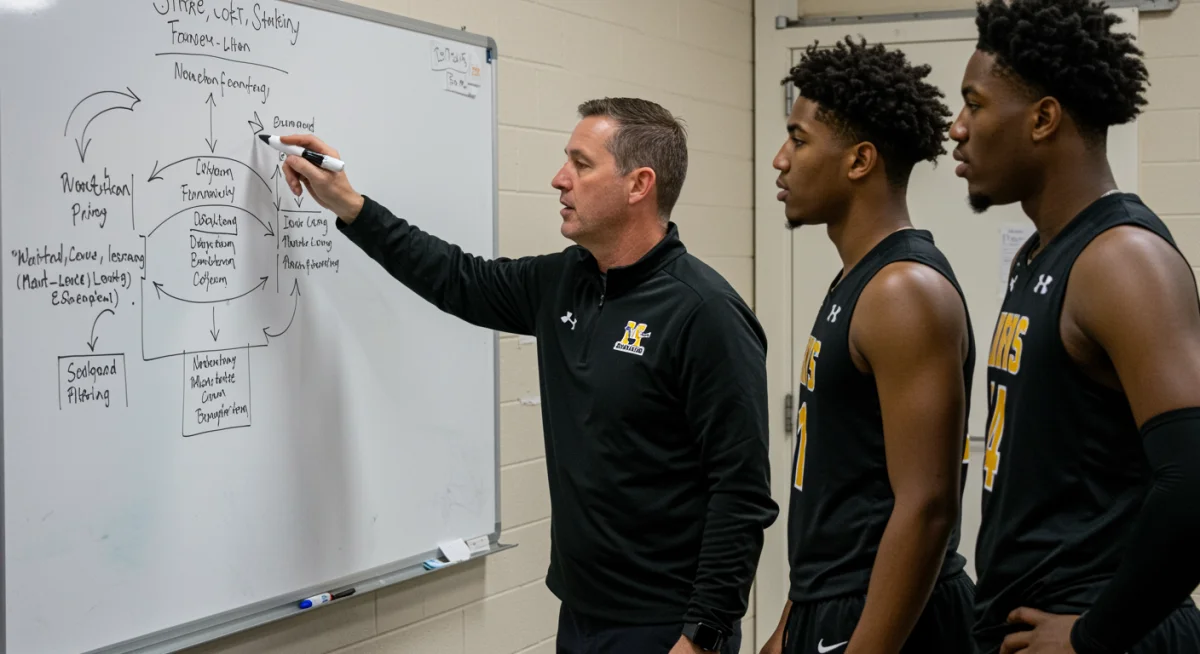
Forecasting the exact composition of college football rosters for the 2025 season is a challenging task, largely due to the unpredictable nature of the transfer portal. However, certain trends and factors can help us anticipate the general landscape. We can expect an continued emphasis on immediate impact players, particularly at key positions like quarterback, offensive line, and defensive line.
Programs with established coaching stability and proven player development track records will likely have an advantage in attracting top portal talent, as players seek environments where they can thrive. Conversely, programs undergoing coaching changes or facing NCAA sanctions may see a higher rate of departures through the portal.
Key Predictions for 2025 Rosters
- Veteran Dominance: Rosters will feature a higher percentage of experienced college players, acquired through the portal, providing immediate leadership and skill.
- Positional Prioritization: Quarterbacks and linemen will remain the most sought-after positions in the portal due to their critical impact on game outcomes.
- Regional Dynamics: NIL opportunities and geographic proximity will continue to influence transfer destinations, with players often preferring to stay closer to home or move to larger media markets.
The ability of programs to adapt quickly to portal dynamics will be a significant determinant of their success in 2025. Those with strong scouting networks, effective retention strategies, and competitive NIL offerings will be best positioned to build and maintain championship-caliber rosters. The offseason will be as crucial as the regular season in determining a team’s fate.
Ultimately, the 2025 college football rosters will be a testament to a program’s adaptability and strategic foresight. The days of solely relying on high school recruiting are over; a holistic approach that embraces the portal’s realities is the new standard. The competitive balance across conferences and divisions will continue to be reshaped by who wins the portal wars.
| Key Aspect | Brief Description |
|---|---|
| Roster Construction | Programs blend high school recruits with experienced portal transfers for immediate impact. |
| Player Movement | Driven by playing time, coaching changes, and increasing NIL opportunities. |
| Coaching Strategy | Requires year-round scouting, retention efforts, and rapid evaluation of portal talent. |
| NIL Influence | Significant factor in transfer decisions, with collectives shaping program attractiveness. |
Frequently Asked Questions About the Transfer Portal in 2025
The portal has transformed recruiting into a year-round process, requiring teams to scout both high school prospects and college-level transfers. Programs must balance long-term development with immediate needs, actively managing their roster to prevent departures while strategically acquiring talent to fill gaps or upgrade positions.
NIL (Name, Image, and Likeness) has become a critical factor. Players, especially those with established collegiate success, often consider potential NIL earnings when choosing a new school. Programs with strong NIL collectives or significant market opportunities are more attractive to transfers seeking financial benefits alongside athletic development.
Yes, quarterback remains the most active and impactful position in the portal. Additionally, offensive and defensive linemen are highly sought after due to their critical role in game outcomes. Skilled positions like wide receiver and defensive back also see significant movement as players seek increased playing time or better scheme fits.
Coaches face the challenge of fostering cohesion amidst roster changes. They implement robust onboarding processes, emphasize strong team culture, and prioritize communication. Building a sense of belonging and shared purpose from day one is crucial, often requiring more intensive team-building activities and leadership development programs.
Long-term implications include increased parity across conferences, a potential shift away from multi-year player development at some programs, and enhanced player empowerment. It could also lead to more standardized transfer rules and potentially a professionalized approach to collegiate athletics, blurring lines between amateur and professional sports.
Conclusion
The transfer portal is no longer a novel concept but a deeply embedded reality of college football. For the 2025 season and beyond, its influence on roster construction, player movement, and team building will continue to be paramount. Programs that adapt with strategic foresight, balancing traditional recruiting with shrewd portal acquisitions, and effectively managing the complexities of NIL, will be the ones that thrive. The portal reshapes not just rosters, but the very essence of how college football is played and managed, demanding continuous evolution from every program aiming for success.